STEM Literacy - The Essential Language of the Future
By ERMW Team
Thursday, June 28, 2026
In a rapidly evolving global landscape, the ability to decode the world around us is no longer a luxury reserved for engineers, scientists, or computer programmers. It is a fundamental literacy. Science, Technology, Engineering, and Mathematics (STEM) represent much more than a collection of academic subjects; they provide a framework for thinking, a method for problem-solving, and a lens through which we can navigate the complexities of the 21st century.
When we advocate for children to engage with STEM, we are not necessarily lobbying for every child to become a software developer. We are advocating for the development of critical thinkers, adaptive innovators, and empathetic citizens who can approach challenges with the tools necessary to build solutions.
This comprehensive guide breaks down exactly why STEM is the language of the future, how you can foster a growth mindset in children of all ages, and provides a massive directory of free, high-quality resources to get you started today.
The Four Pillars of STEM Literacy
Before diving into why kids need STEM, it helps to decouple the acronym. STEM isn't just "robotics"; it's a holistic approach to understanding the world.
Science: The Engine of Inquiry. Science teaches children to observe their environment, form hypotheses, test them, and analyze the results. It teaches kids that the world is discoverable.
Technology: From Consumer to Creator. True technological literacy means understanding how digital tools work. When children learn the basics of coding or digital media production, they transition from passive consumers of algorithms to active architects of their digital environments.
Engineering: The Art of Iteration. Engineering is applied problem-solving. It normalizes the concept of the "first draft," teaching kids that a bridge that collapses or a script that crashes is simply a data point telling them how to improve.
Mathematics: The Language of Patterns. Math is the underlying syntax of the universe. Beyond multiplication tables, mathematical literacy teaches logical sequencing, spatial reasoning, and pattern recognition.

The Cognitive and Social Advantages
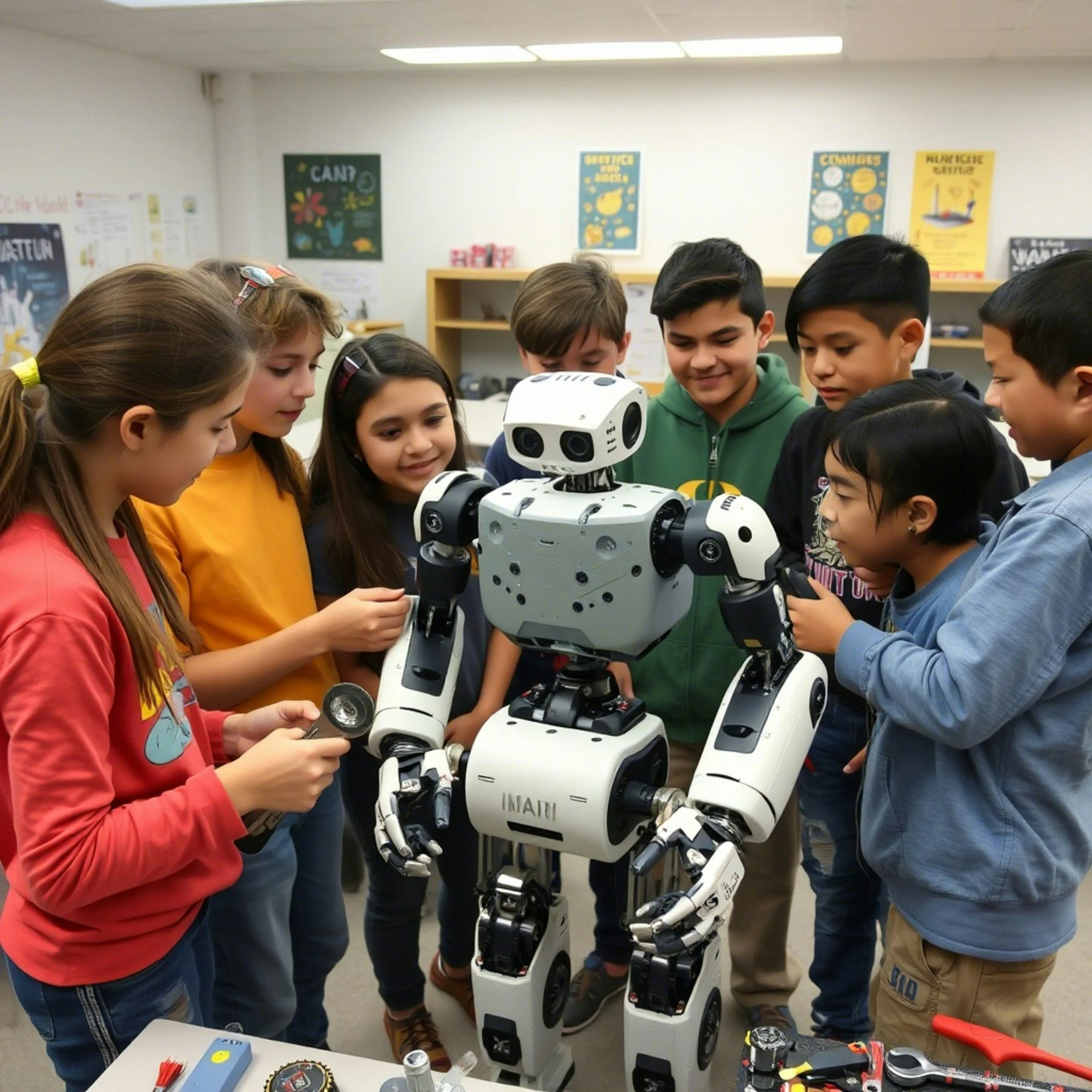
Encouraging children to embrace STEM provides profound psychological and practical benefits that extend far beyond the classroom.
Building Neural Pathways
STEM activities strengthen executive function. When a child learns to code a simple animation, they are practicing logical sequencing. Engineering and geometry develop spatial awareness—the ability to visualize structures and interactions in three-dimensional space, a skill that translates into everything from visual arts to surgery.
Cultivating the "Growth Mindset"
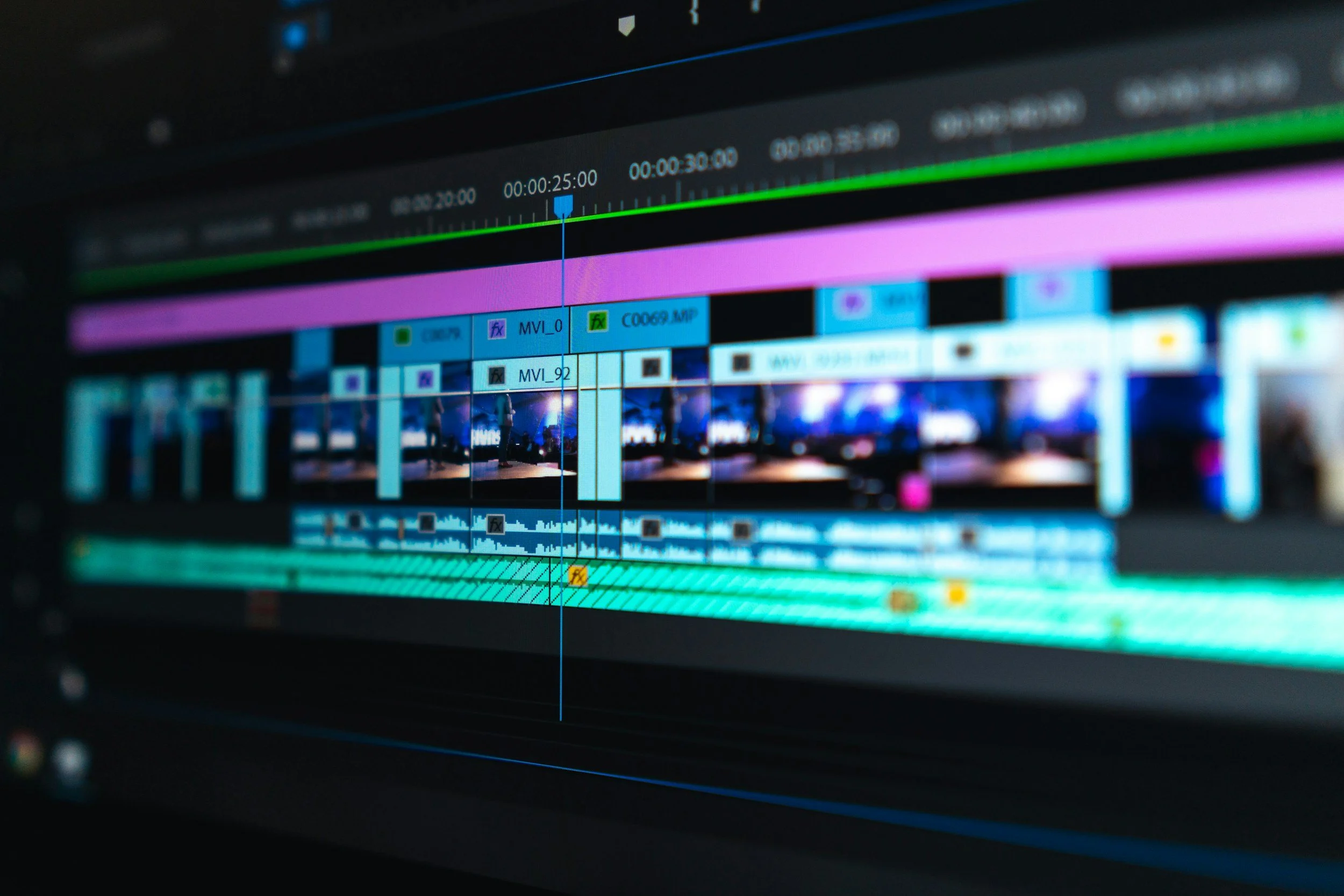
In the scientific method, an experiment that "fails" is not a disaster; it is information. When a student struggles to debug a script or edit a timeline, they are forced to shift from a mindset of "I can’t do this" to "I haven't figured out the right approach yet." By teaching kids that mistakes are part of the roadmap to success, we equip them with the emotional fortitude required for any professional endeavor.
STEM for Social Good
STEM is the engine of social progress. Access to clean water, affordable energy, and tools for communication are all products of STEM. By connecting STEM learning to community-based projects—such as analyzing local water quality, documenting local history, or designing accessible apps for seniors—children learn that technology is a service to humanity.
Actionable Strategies by Age Group
You don't need a PhD to teach STEM. You just need to create an environment where curiosity is rewarded.
Early Childhood (Pre-K to 2nd Grade)
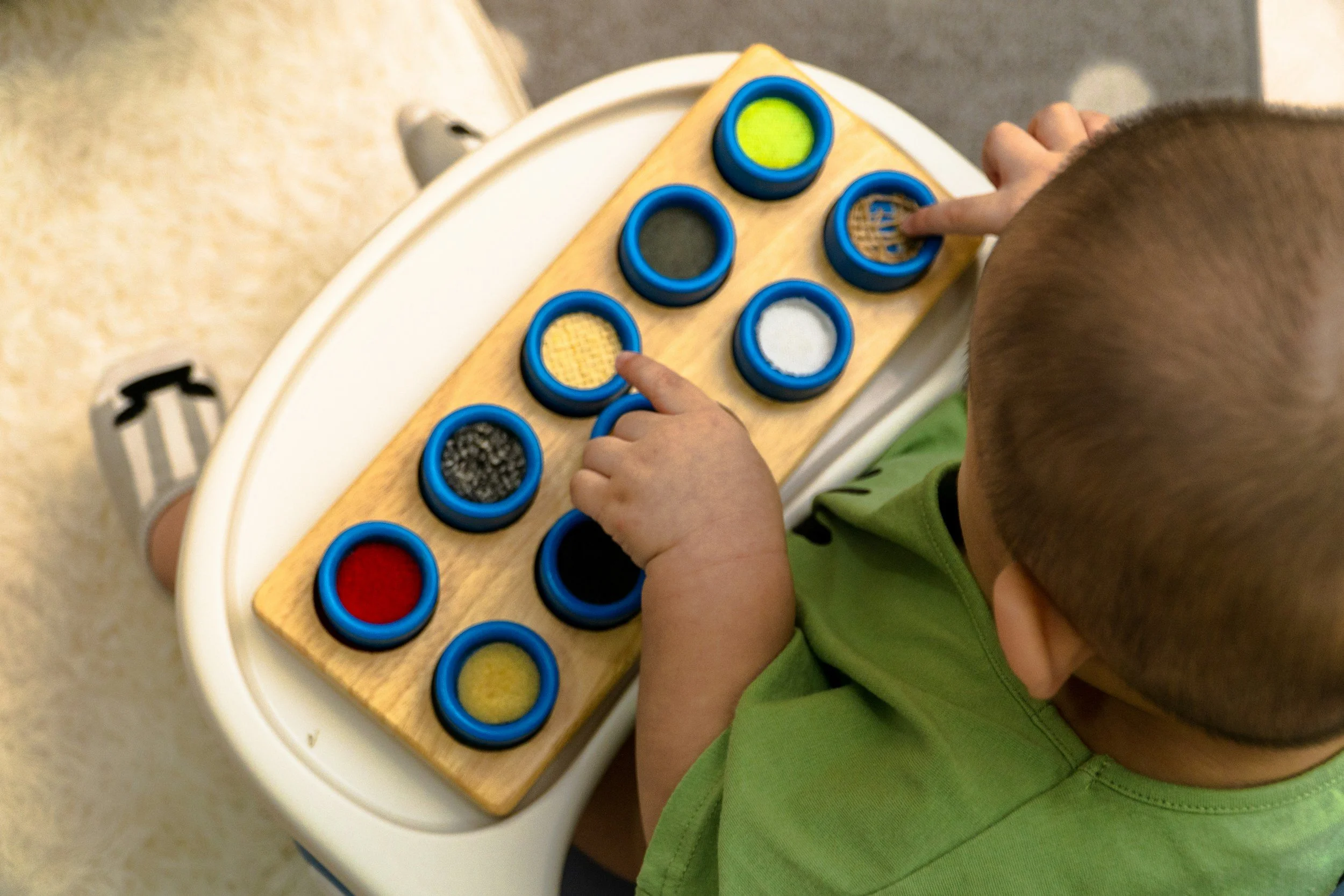
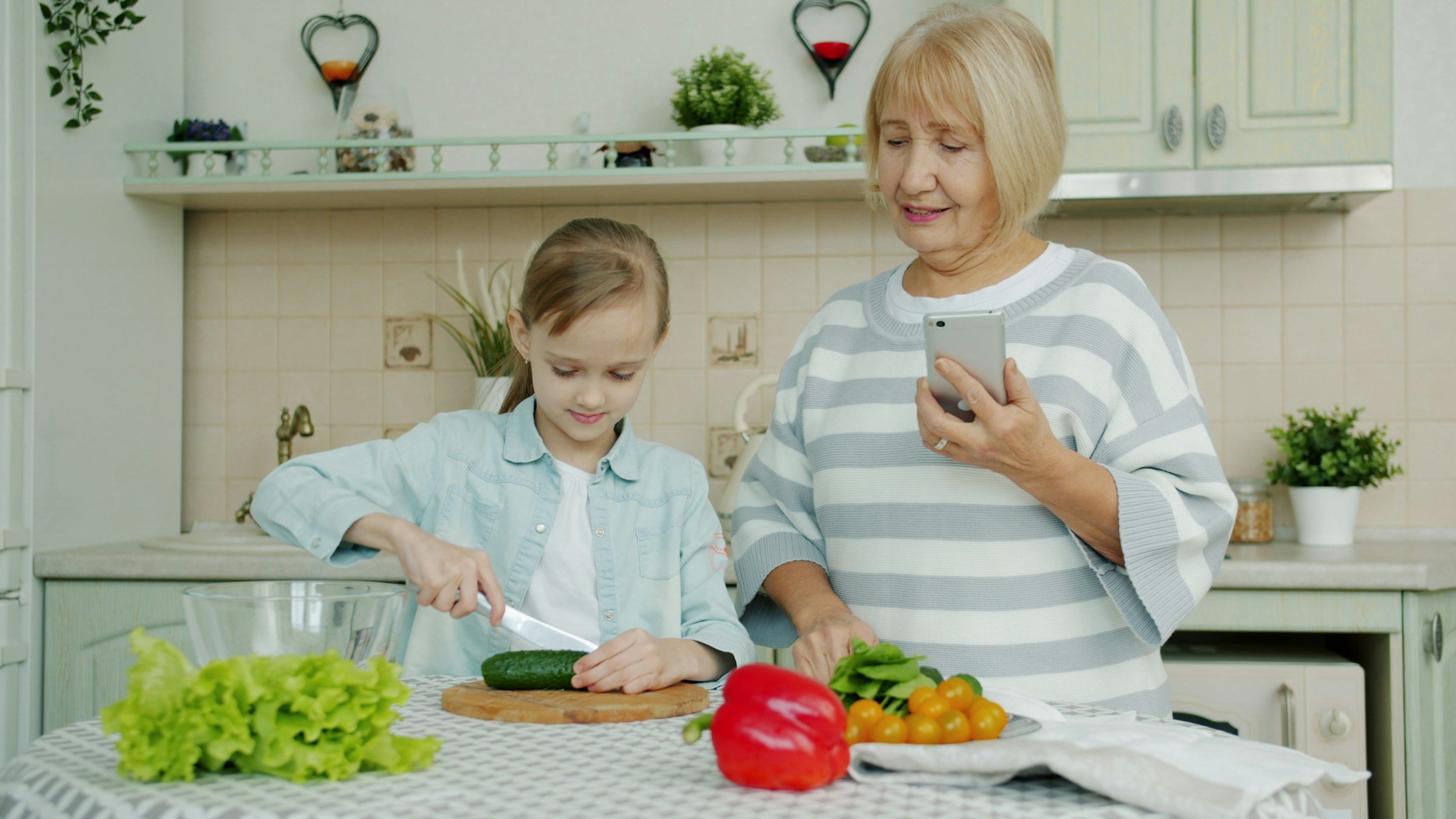
Focus on tactile exploration: Play with blocks to understand gravity and balance. Mix primary colors to see chemical reactions.
Ask "What if" instead of "Why": "What if we add more water to the mud?" is easier for a toddler to test than "Why is the mud wet?"
Count everything: Build math literacy by counting stairs, sorting toys by shape, or baking together to introduce fractions and volume.
Middle Childhood (3rd to 5th Grade)
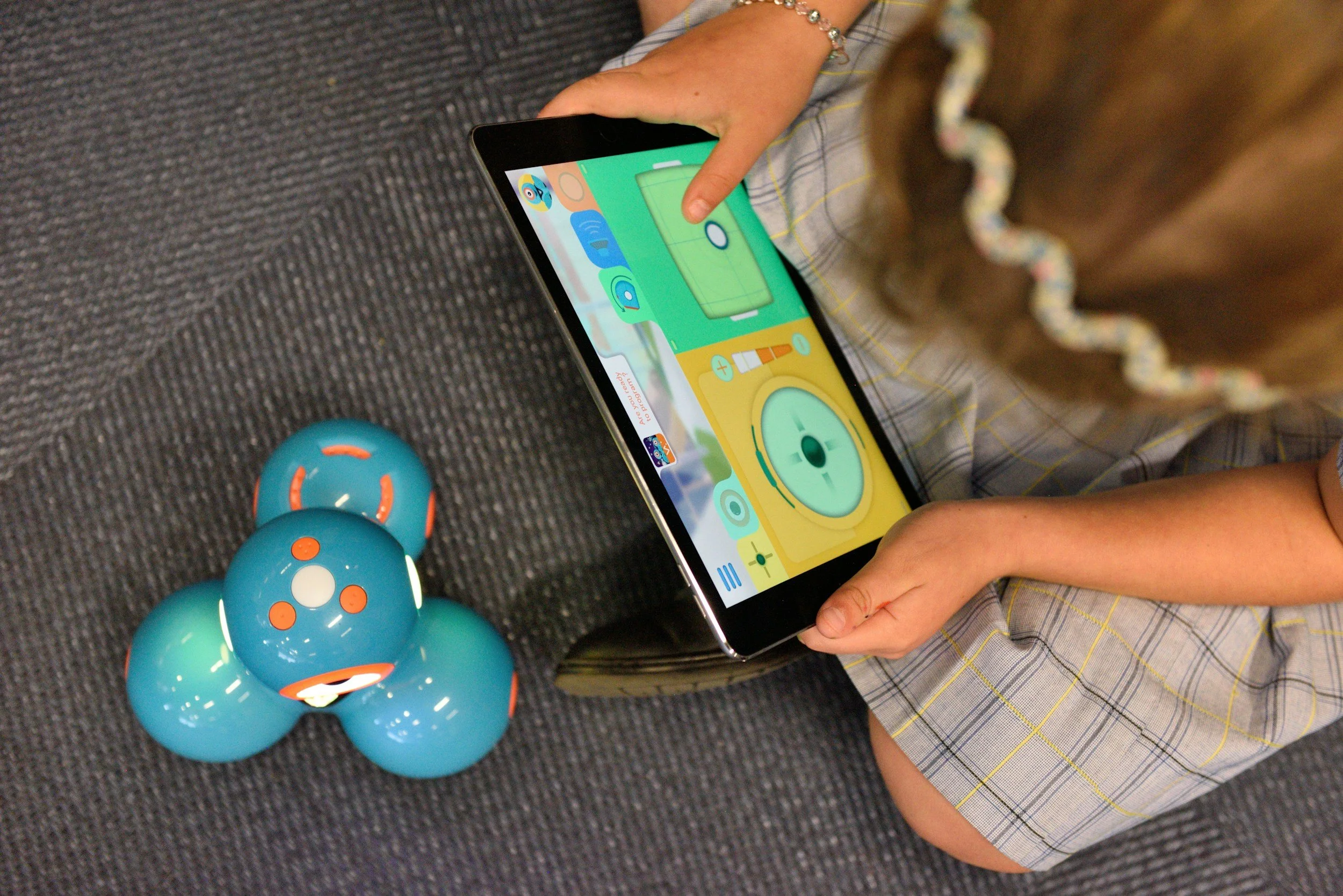
Introduce logical sequencing: This is the perfect age for block-based coding (like Scratch) or sequential puzzle games.
Embrace messy engineering: Challenge them to build a bridge out of dry spaghetti and marshmallows that can hold the weight of a textbook.
Follow their interests: If they love video games, introduce them to game design logic. If they love animals, research local ecosystems.
Adolescence (6th to 12th Grade)
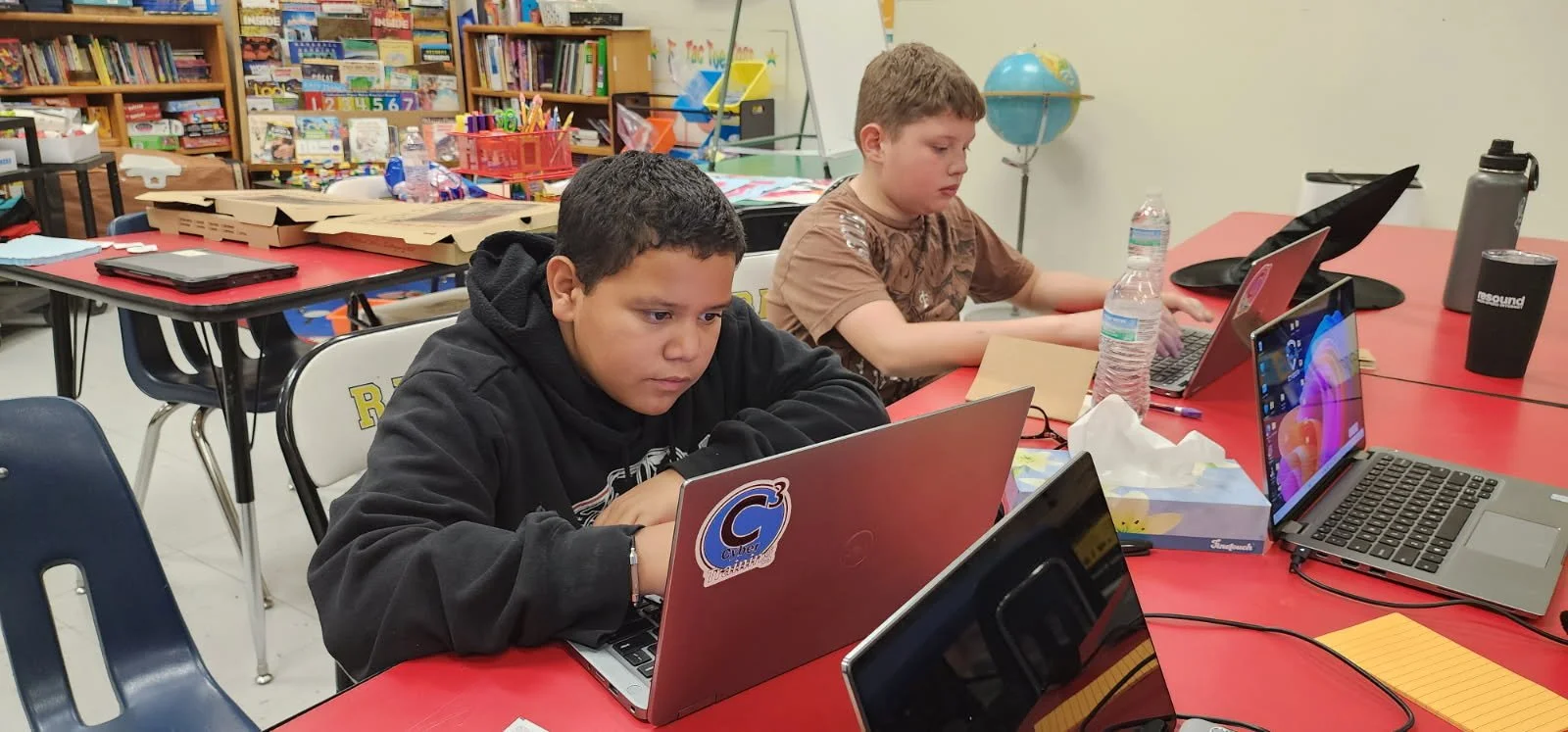
Shift to real-world application: Connect STEM to community issues. Can they use data to track local recycling habits? Can they build a website for a local nonprofit?
Explore career pathways: Introduce them to the diverse careers in STEM, from digital media production and UI/UX design to marine biology and civil engineering.
Support independent projects: Give them the autonomy to design and execute a long-term project, even if it falls completely outside your own area of expertise.
The Foundational STEM Resource Directory
Modeled after high-quality resource hubs, here is a categorized collection of the best free and low-cost STEM tools, articles, and activities available on the web.
Coding & Computer Science
Code.org for Students: The gold standard for accessible computer science. Offers everything from the beginner-friendly "Hour of Code" to self-paced courses.
Scratch (MIT): A free block-based visual programming language designed primarily for ages 8-16 to program interactive stories, games, and animations.
Girls Who Code: Code at Home: Downloadable computer science activities that highlight women in tech and focus on solving real-world problems.
Hands-On Science & Engineering
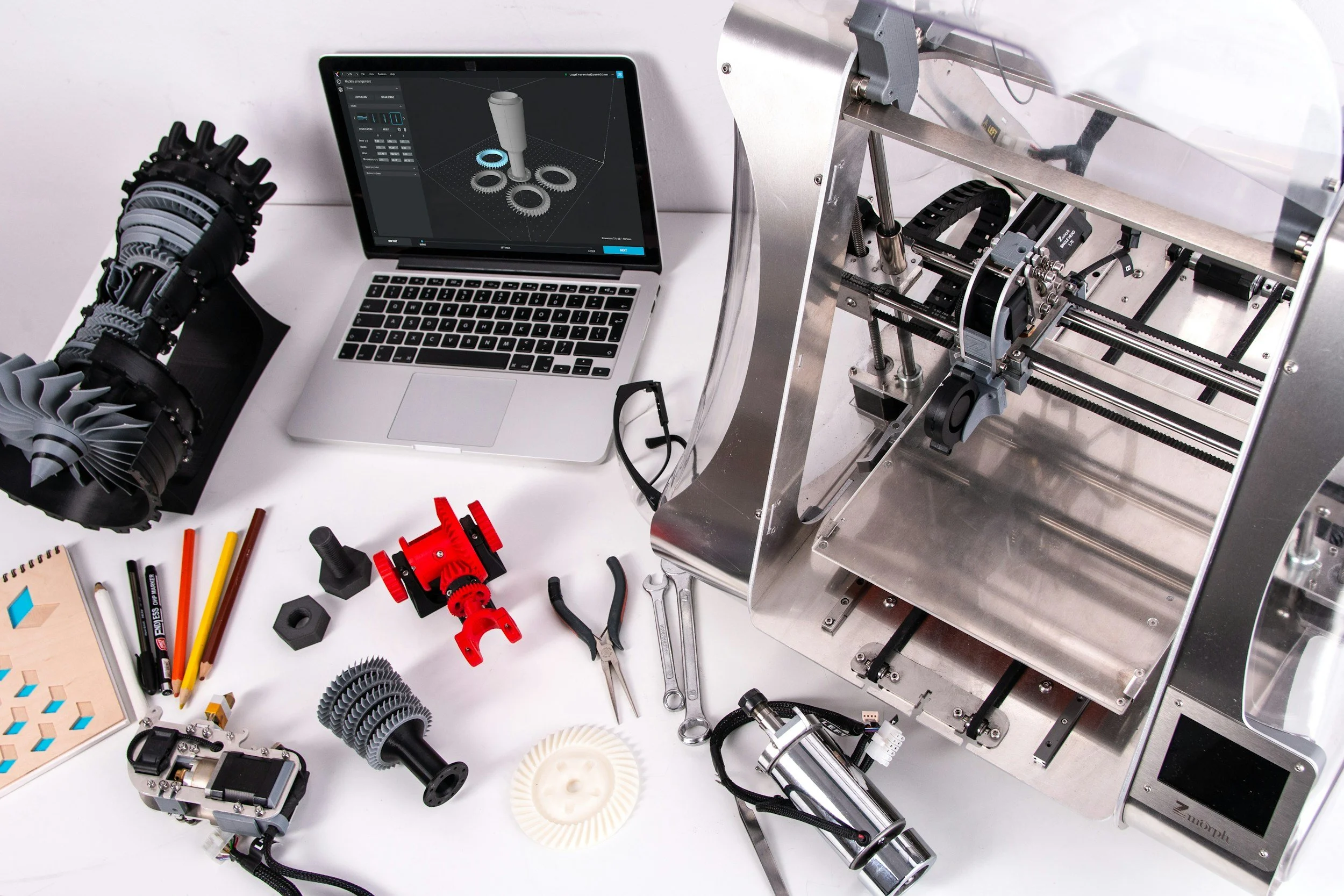
Exploratorium K-5 Science Snacks: Teacher-tested activities that bring explorations of natural phenomena into the home using cheap, everyday materials.
PBS KIDS Design Squad: Shows real kids taking on engineering challenges, complete with downloadable event guides for home engineering projects.
Science Buddies: A library of over 1,200 free, detailed project ideas spanning every area of science and engineering, complete with a "Topic Selection Wizard."
The Visual Learner’s Toolkit: Cinematography & Media Arts
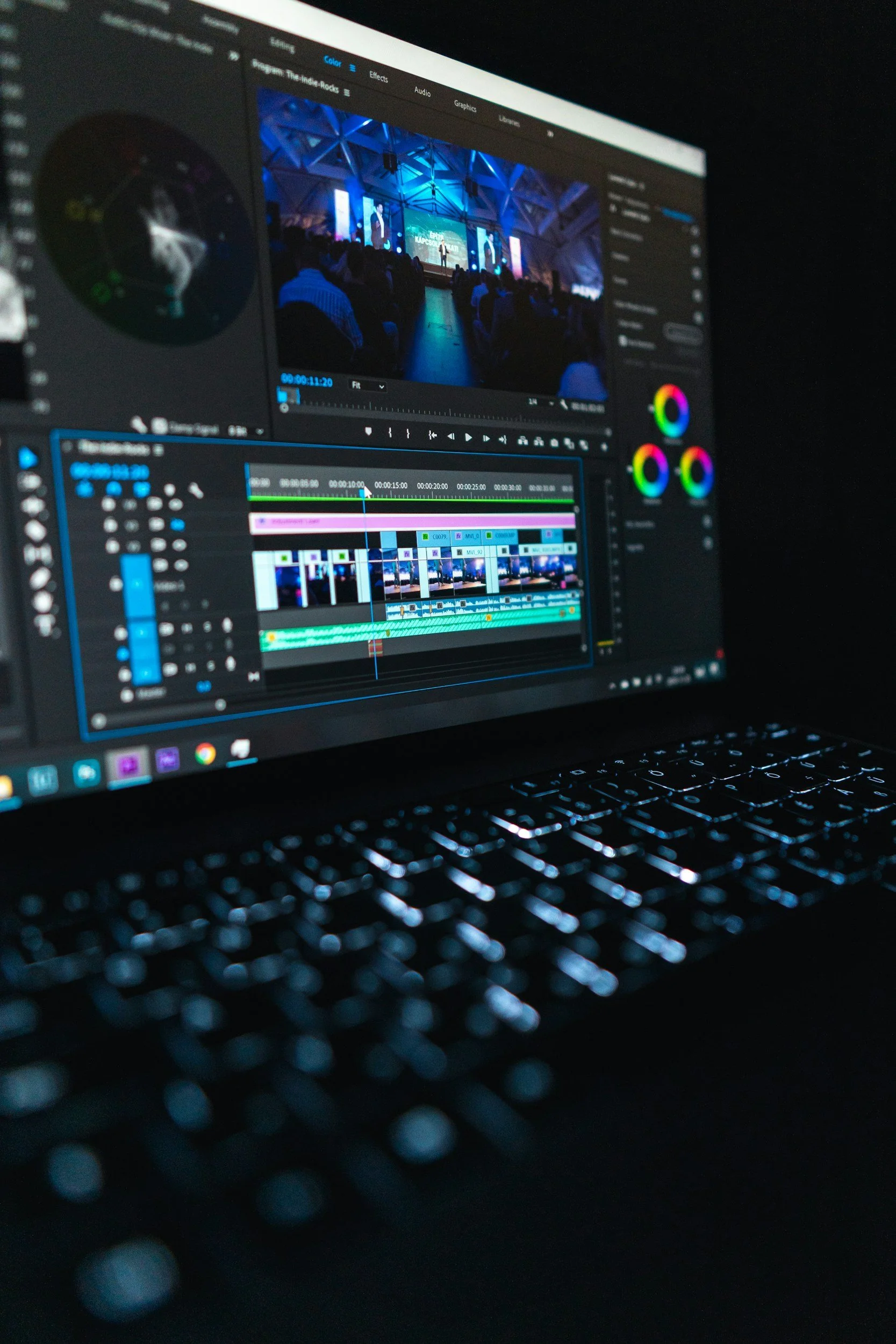
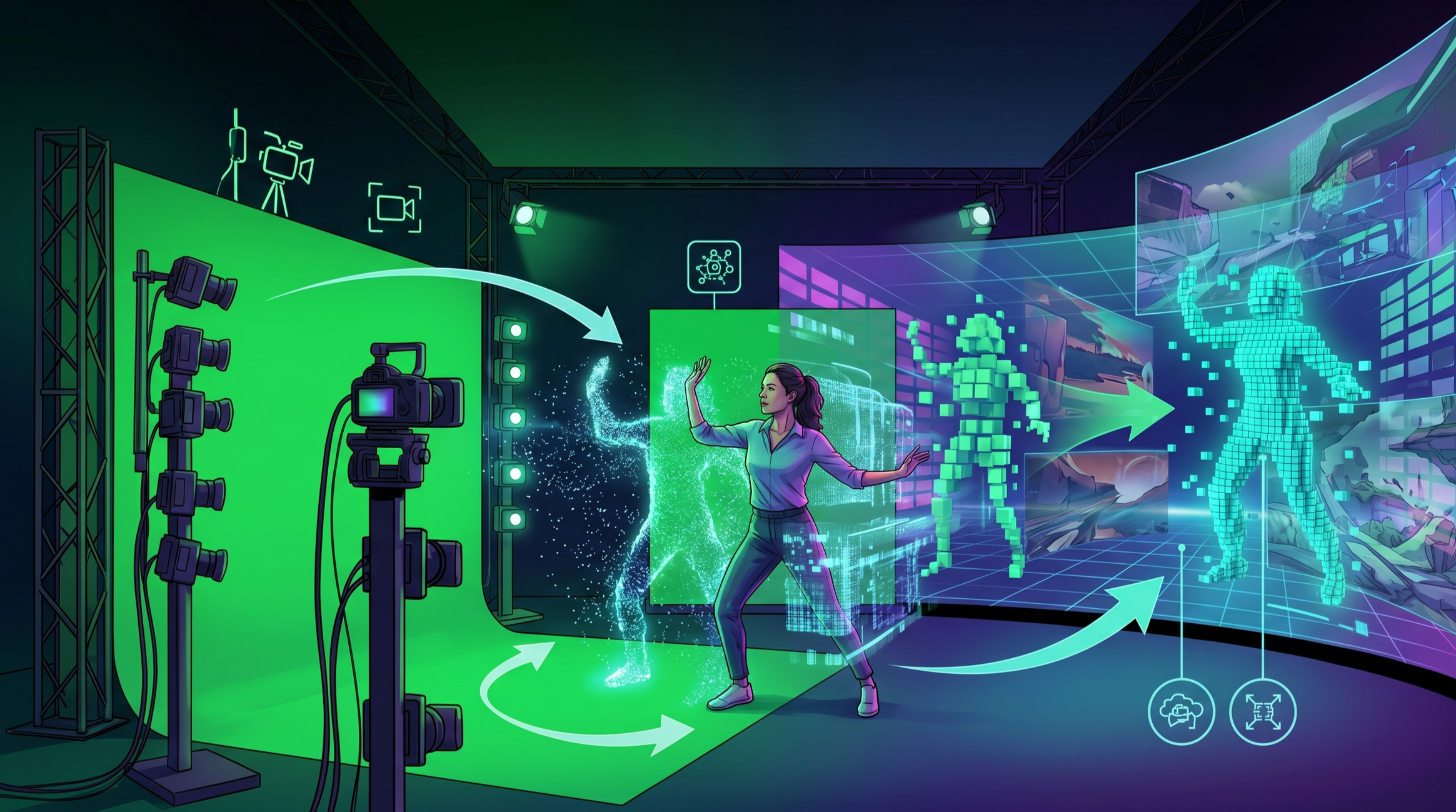
For visual learners, the technical arts—cinematography, digital post-production, and volumetric media—are incredible gateways to STEM. Operating a camera requires an understanding of light physics (aperture, focal length, optics), while video editing software relies heavily on algorithmic processing, data management, and spatial timelines.
Pixar in a Box (via Khan Academy): A behind-the-scenes look at how Pixar artists use math, science, and computer science to create their animated films. It directly connects abstract math (like combinatorics) to visual outcomes.
Blackmagic Design: DaVinci Resolve Training: Free, professional-grade training videos. Learning professional color correction and node-based compositing is pure computer science and color theory.
Camp Kuleshov (AICP): An educational initiative designed to teach youth the art of post-production, challenging students to radically alter a narrative through editing alone.
KQED Youth Media Challenge: A project-based learning platform that empowers middle and high school students to create audio and video pieces about issues that matter to them.
STEM in a Busy Household: Multiples, Twins, and Babies
Running a household with multiple children—perhaps older twins alongside a new baby—requires STEM activities that scale. You need stations where older kids can collaborate and push each other’s boundaries, while the youngest can safely explore foundational sensory logic nearby.
Baby Loves Science Board Books: A brilliant series of board books that introduce complex scientific concepts (aerospace engineering, thermodynamics, coding) to infants and toddlers using visually engaging language.
Left Brain Craft Brain: A repository of STEAM activities designed to be set up as "invitations to play." Perfect for parallel play: a toddler can focus on the fine motor skills of a fizzing baking soda reaction, while older siblings measure ratios to create the longest-lasting reaction.
TinkerTinker Maker Space Guides: From the Exploratorium, these guides show how to build collaborative maker spaces at home. Building a shared marble run forces close-in-age siblings to practice engineering communication and compromise.
Community Impact: Using Tech to Tell Local Stories
STEM reaches its highest potential when it is used to serve the community. Documenting local history, mapping rural locations, or teaching technology to older generations shows kids that their digital skills have real-world value.
Cyber-Seniors: An organization that trains youth to act as digital mentors, teaching technology skills to older adults. When youth produce tech-training videos or help seniors navigate digital tools, they develop empathy and a deeper understanding of user interface (UI) design.
ArcGIS StoryMaps: A digital storytelling tool that combines interactive maps with narrative text. Kids can use it to map historical rural film locations or track local resources, blending data science with local journalism.
DoSomething.org: STEM Campaigns: Provides structured blueprints for kids who want to organize a local tech-drive or host a youth short-film showcase highlighting community issues.
The Power of No-Code and Automation
We often think kids need to learn to write raw Python or C++ to be programmers. However, the modern digital landscape is increasingly built on no-code and low-code platforms. Teaching kids how to automate workflows and manage digital systems is one of the most highly leveraged skills they can develop.
Make (formerly Integromat) Academy: A visual automation platform that allows users to build incredibly complex digital workflows. Because it is highly visual, students can see the data flowing from one app to another, making the invisible web of APIs tangible.
Zapier for Beginners: Teaches "If This, Then That" (IFTTT) logic without requiring a single line of code. Older kids can use it to automate their own lives—like updating a digital board when a school deadline approaches.
Trello for Education: A visual Kanban board used for project management. Teaching older kids to use visual boards to move tasks from "To Do" to "Doing" to "Done" (or incorporating an Eisenhower Decision Matrix) introduces them to Agile development methodologies used by tech companies worldwide.
The Path Forward
Encouraging children to embrace STEM is about much more than test scores. It is about empowering them with the curiosity to ask "why," the confidence to say "I can," and the tools to say "I built it."
Whether a child is sequencing a timeline in Premiere Pro, building a block tower, or setting up a digital automation to manage their homework, they are practicing the essential logic required to navigate the modern world. By fostering an environment where inquiry is encouraged and iteration is celebrated, we are not just teaching subjects; we are raising the architects, storytellers, and innovators of a better future.