How Indie Filmmakers are Using Generative AI in Pre-Production This Year
By ERMW Team
Thursday, April 23, 2026
The film industry moves fast, but the technology driving it moves even faster. In 2026, the conversation around Generative AI has largely shifted from the initial panic of "will it replace us?" to a much more practical question: "how can this save my budget and my time?"
For indie filmmakers, especially those of us hustling to get projects off the ground here in the Southwest, efficiency is everything. We are often wearing five different hats, balancing tight budgets, and trying to maximize our days on location. Pre-production is where the magic is meticulously planned, but it's also where the biggest bottlenecks happen. Building pitch decks, storyboarding, scouting locations, and breaking down scripts take massive amounts of time that independent crews rarely have.
Here is a deep dive into how producers, directors, and department heads are leveraging generative AI to streamline their workflows before the camera ever rolls.
1. Large Language Models (LLMs) for Script Breakdowns & Logistics
Writing the script is an art, but breaking it down into a shot list and schedule is pure logistics. Producers and 1st Assistant Directors are now using LLMs to instantly pull preliminary data from their scripts. By securely feeding scene text into a model, you can ask it to generate initial prop lists, wardrobe breakdowns, and preliminary day-out-of-days.
It doesn't replace the sharp eye and practical experience of a seasoned 1st AD, but it gives the production team a massive, organized head start. Furthermore, documentary filmmakers are using LLMs to analyze hours of interview transcripts, quickly locating key soundbites and thematic overlaps to structure their paper edits.
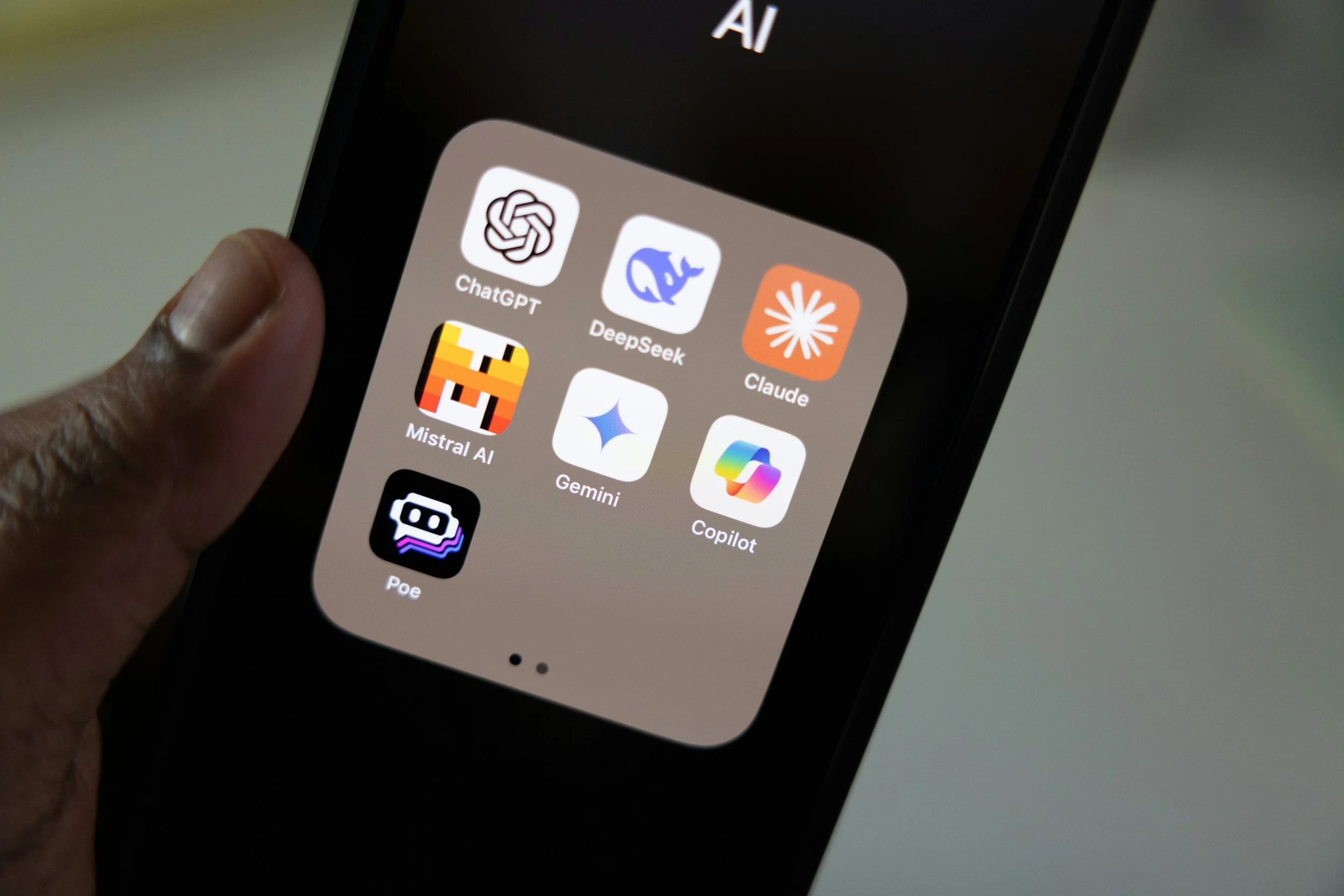
Tool Reference: ChatGPT (OpenAI) or Claude (Anthropic)
Pro-Tip: Always check the privacy settings of the LLM you are using to ensure your proprietary scripts and IP are not being used to train public models.
2. Midjourney for Pitch Decks and Mood Boards
Trying to explain your exact cinematic vision to investors, grant committees, or your Director of Photography can be frustrating when you don't have the budget for a dedicated concept artist. Directors are utilizing AI image generators to build stunning, cohesive pitch decks that capture the exact mood of the film.
Instead of endlessly scrolling through Pinterest or Google Images for something that "kind of looks like" what they want, filmmakers are prompting for highly specific visual concepts. You can specify the camera lens, lighting conditions, and film stock (e.g., "A neon-lit diner at midnight, shot on 35mm anamorphic lens, high contrast, cinematic lighting"). This allows for crystal-clear visual communication across departments before a single dollar is spent on production design.
Tool Reference: Midjourney
3. Adobe Firefly for Set and Location Visualization
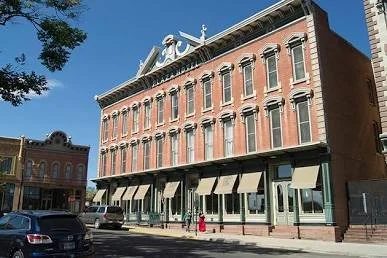
When you find the perfect historic storefront on Raton's First Street or a beautiful mesa out in the county, but need to see how it looks dressed for a different era, AI steps in to bridge the gap.
Art directors and production designers are using AI-integrated tools to rapidly mock up set extensions. You can take a location scouting photo and use generative fill to paint out modern streetlights, add period-accurate signage, or test different color palettes directly onto the image. It provides a realistic preview of the final shot, ensuring the art department, greens, and locations team are perfectly aligned on the transformation required.
Tool Reference: Adobe Firefly
4. Generative Voice for Scratch Tracks and Animatics
Pacing is everything in editing, particularly for documentary voiceovers or animated projects. In the past, editors would have to record their own (often awkward) "scratch tracks" to time out the visuals before bringing in professional voice talent.
Now, editors are using AI voice generators to create highly realistic, properly inflected scratch tracks. You can adjust the tone, pacing, and emotion of the AI voice to perfectly match the mood of the scene. This allows the editor to lock the picture and timing with confidence, ensuring that when you finally pay for the professional voice actor to step into the booth, you know exactly how many seconds they have to deliver their lines.
Tool Reference: ElevenLabs
The Bottom Line
AI is a tool, not the talent. It can help build the blueprint, organize the logistics, and visualize the concepts, but it still takes a dedicated, skilled crew to actually build the house. The filmmakers who are thriving right now aren't letting AI do the creative heavy lifting; they are using it to clear the administrative brush so they can focus on what actually matters: the story.
Have you integrated any new tools into your workflow this year? Are there specific AI platforms saving your indie productions time and money? Let us know in the comments!