Top 10 Essential Behind-the-Scenes Trades That Make Movie Magic Happen
By ERMW Team
Thursday, April 16, 2026
When the credits roll on a blockbuster, most of us are busy gathering our popcorn and heading for the exit, maybe glancing at the names of the lead actors or the director. But those sprawling walls of text rolling up the screen? That’s the actual lifeblood of the film industry.
Movie magic isn’t conjured by a director waving a wand; it’s built by an army of highly skilled, exhausted, and incredibly talented tradespeople. Let's step behind the camera and shine a well-deserved spotlight on ten essential behind-the-scenes trades that actually make movie magic happen.
1. The Gaffer (Chief Lighting Technician)
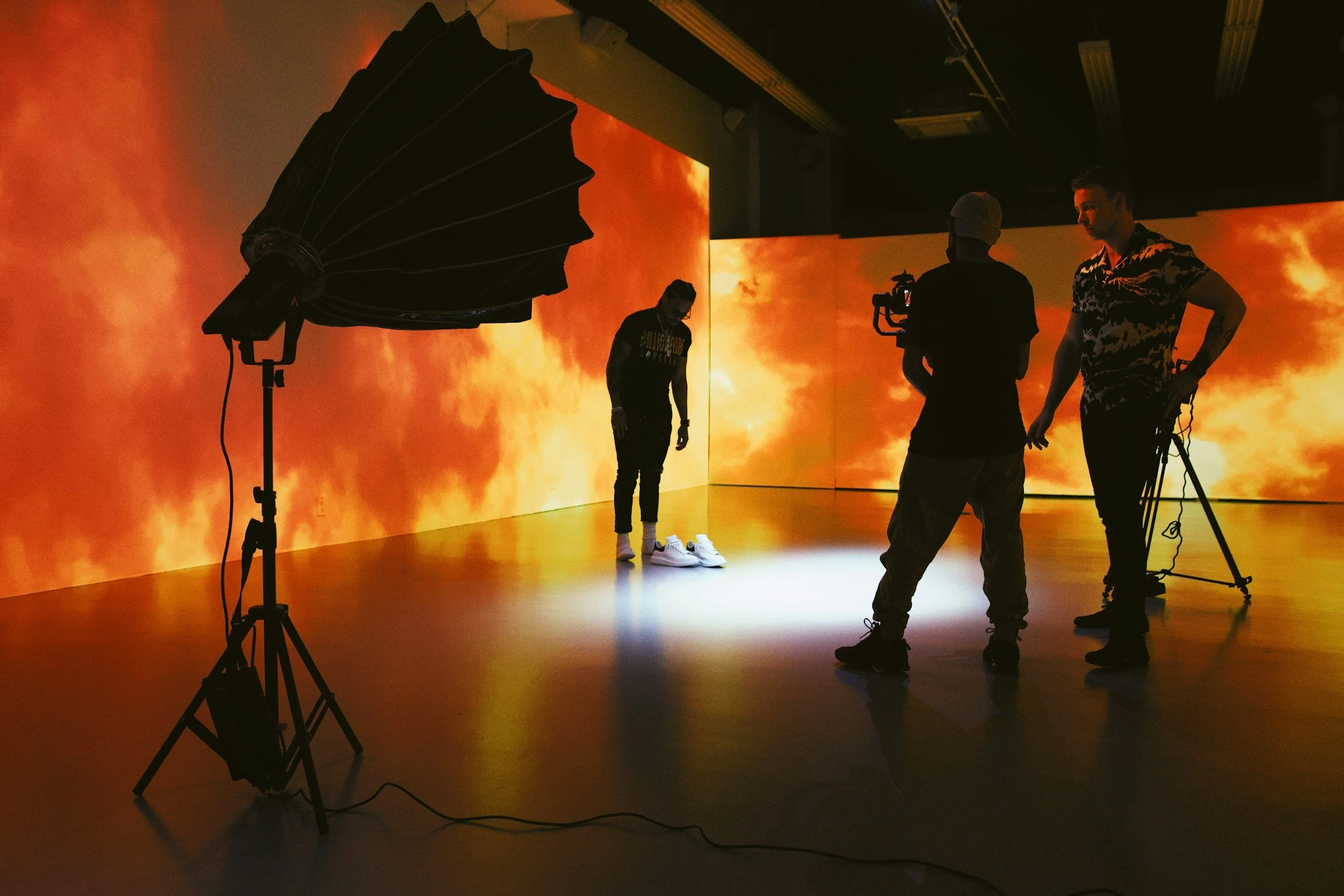
You know how a movie feels dark and gritty, or bright and romantic? You can thank the Gaffer. As the head of the electrical department, the Gaffer works directly with the Director of Photography (DP) to design and execute the lighting plan. They don't just turn on lamps; they sculpt with light, using gels, diffusers, and massive rigs to create the exact mood the scene demands. Without a great Gaffer, every movie would look like a brightly lit sitcom or a pitch-black cave.
2. Foley Artist
If you’re watching a horror movie and the sound of a bone snapping makes you physically cringe, you just experienced the magic of a Foley Artist. Because production audio focuses heavily on capturing clean dialogue, most of the ambient noises—footsteps on gravel, the rustle of a leather jacket, the clinking of ice in a glass—are recorded after the film is shot. Foley artists use absolute junk (like celery for breaking bones or cornstarch in a pouch for walking in snow) in a recording studio to manually recreate every single sound effect in sync with the visual.
3. Key Grip
If the Gaffer is the head of lighting, the Key Grip is the head of... well, putting things exactly where they need to go safely. Grips are responsible for the non-electrical support gear. They build the scaffolding, lay the tracks for the camera dollies, operate the cranes, and rig the massive silks that shape the Gaffer's lighting. It’s highly technical, incredibly physical work that requires a deep understanding of physics, knots, and structural safety.
4. Script Supervisor
Have you ever watched a movie and noticed an actor’s glass is full in one shot, empty in the next, and full again? That means the Script Supervisor had a bad day. The "Scripty" is the boss of continuity. They sit right next to the director, meticulously tracking every detail of a take: wardrobe placement, props, eyelines, and exact dialogue spoken. Because films are shot completely out of order, the Script Supervisor is the only thing standing between a cohesive story and a completely jarring editing nightmare.
5. Prop Master
The Production Designer creates the overall look of the set, but the Prop Master is in charge of everything an actor touches. From the specific futuristic blaster a sci-fi hero wields to the half-eaten sandwich on a detective’s desk, the Prop Master sources, buys, or builds it all. They also have to maintain multiples of every item (in case one breaks or a scene requires multiple takes of destroying it) and ensure strict safety protocols, especially when dealing with prop weapons or food.
6. The Colorist
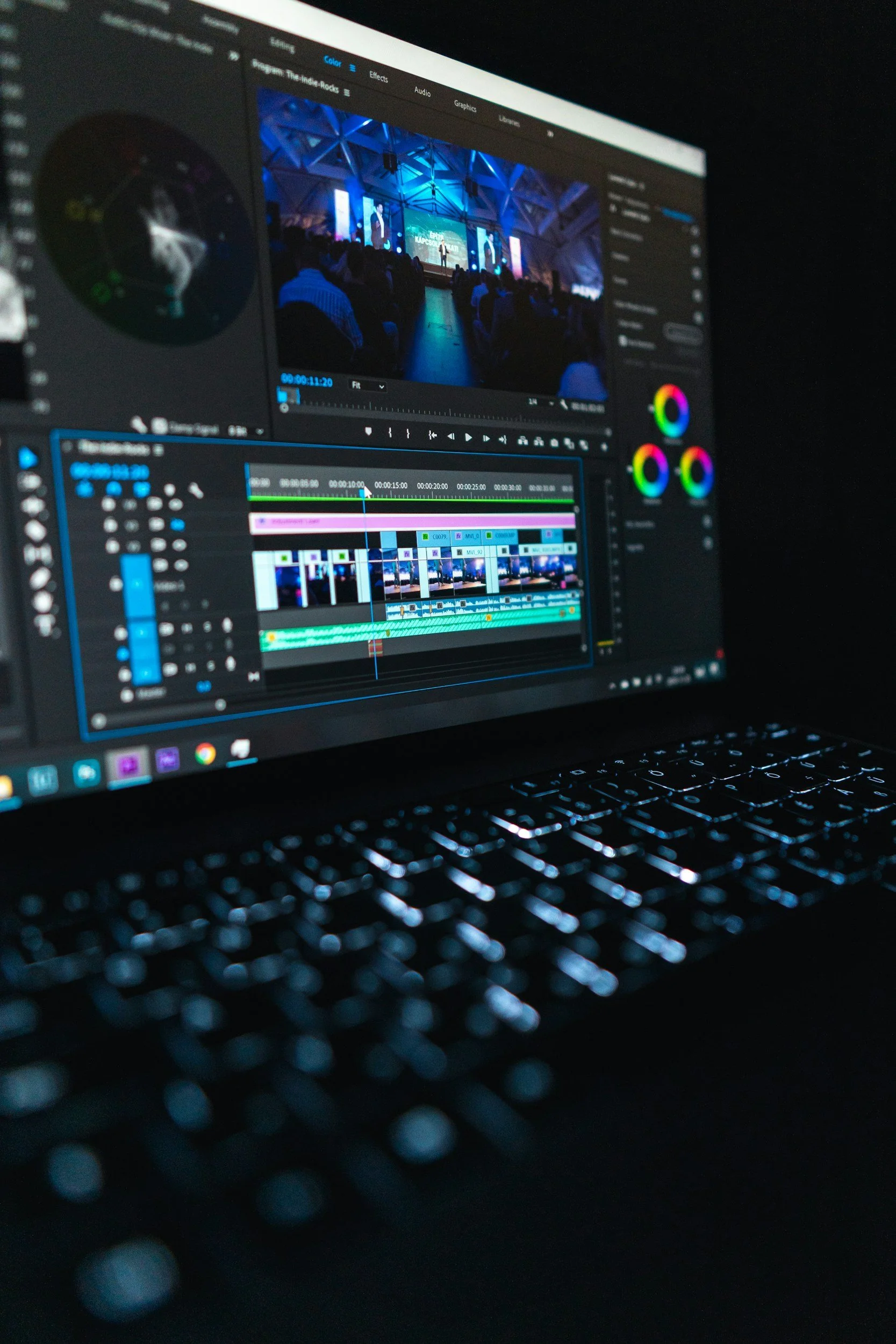
In the age of digital filmmaking, a movie looks surprisingly flat and dull when it comes straight out of the camera. The Colorist works in post-production to manipulate the colors, contrast, and luminance of the footage. They ensure that shots filmed days apart in completely different sunlight match perfectly. More importantly, they give the film its final aesthetic glaze—think of the sickly green tint of The Matrix or the sepia-toned warmth of O Brother, Where Art Thou?
7. Boom Operator
"Quiet on set!" The Boom Operator has one of the most physically demanding and high-pressure jobs on the crew. They hold a microphone attached to a long pole (the boom) perfectly positioned just inches out of the camera's frame to capture the actors' dialogue. They have to memorize the script to anticipate who is speaking next, dodge shadows from the Gaffer’s lights, and hold a heavy pole above their heads for takes that can last several minutes—all without making a single sound.
8. Set Decorator
An empty room is just an empty room until the Set Decorator gets their hands on it. They are responsible for dressing the set to reflect the characters who live or work there. Every book on the shelf, the specific pattern of the wallpaper, the style of the curtains, and the clutter on the kitchen counter are meticulously chosen by the Set Decorator to tell a story visually before a single word of dialogue is spoken.
9. SFX Makeup Artist
While CGI gets a lot of attention, practical Special Effects (SFX) Makeup is an irreplaceable craft. These artists sculpt, mold, and apply prosthetics to transform actors into aliens, monsters, or historical figures. They are also the masters of gore—creating hyper-realistic wounds, scars, and aging effects. A great SFX makeup application can take six to eight hours in the chair before the actor even steps on set.
10. Location Manager
Before a single light is rigged or a camera rolled, someone has to find the physical world the movie will inhabit. Location Managers hunt down the perfect dive bar, the exact spooky forest, or the right abandoned warehouse. But their job doesn't end at scouting; they also handle the nightmare logistics of securing permits, negotiating with angry neighbors, mapping out parking for dozens of massive production trucks, and ensuring the crew doesn't destroy the location while filming.