Insurance 101 for Independent Filmmakers
By ERMW Team
Thursday, May 7, 2026
Compared to selecting the perfect anamorphic lens, scouting a breathtaking high-desert location, or locking in a brilliant lead actor, discussing insurance feels like the least glamorous part of pre-production. But for independent filmmakers, understanding and securing the right coverage is just as critical as calling "action."
A single dropped lens, an overlooked copyright issue, or a twisted ankle on set can stall an indie production before the first day of principal photography even wraps. Whether you are operating a local production entity servicing Southern Colorado and Northern New Mexico or tackling your first ambitious short film, building a financial and legal safety net is an absolute necessity.
Here is an in-depth breakdown of the essential insurance policies every independent filmmaker needs to understand, secure, and maintain.
1. General Liability: The Non-Negotiable Baseline
General Liability (GL) is the foundational insurance for any production. It is designed to protect your production company against third-party claims of bodily injury or property damage that occur as a direct result of your filming activities.
Property Damage: If a grip accidentally knocks over a C-stand and shatters a window at a rented location, or a lighting rig scorches a historic hardwood floor, GL covers the repair costs.
Bodily Injury: If a pedestrian trips over an unsecured stinger on a public sidewalk and breaks their arm, GL covers their medical bills and protects you from the resulting lawsuit.
The Permitting Reality: Most municipalities, private property owners, and facility managers will not allow you to pull a film permit or sign a site agreement without a Certificate of Insurance (COI) proving you have an active GL policy. Industry standards typically require this to even step foot on a professional location.
2. Equipment Insurance (Inland Marine)
Film gear is notoriously expensive, highly fragile, and frequently targeted for theft. Inland Marine insurance (the industry term for equipment coverage) protects the physical assets that make your production possible.
Owned vs. Rented: It is vital to distinguish between Owned Equipment coverage (protecting the gear your production company permanently holds) and Rented Equipment coverage (for the gear you temporarily check out from rental houses).
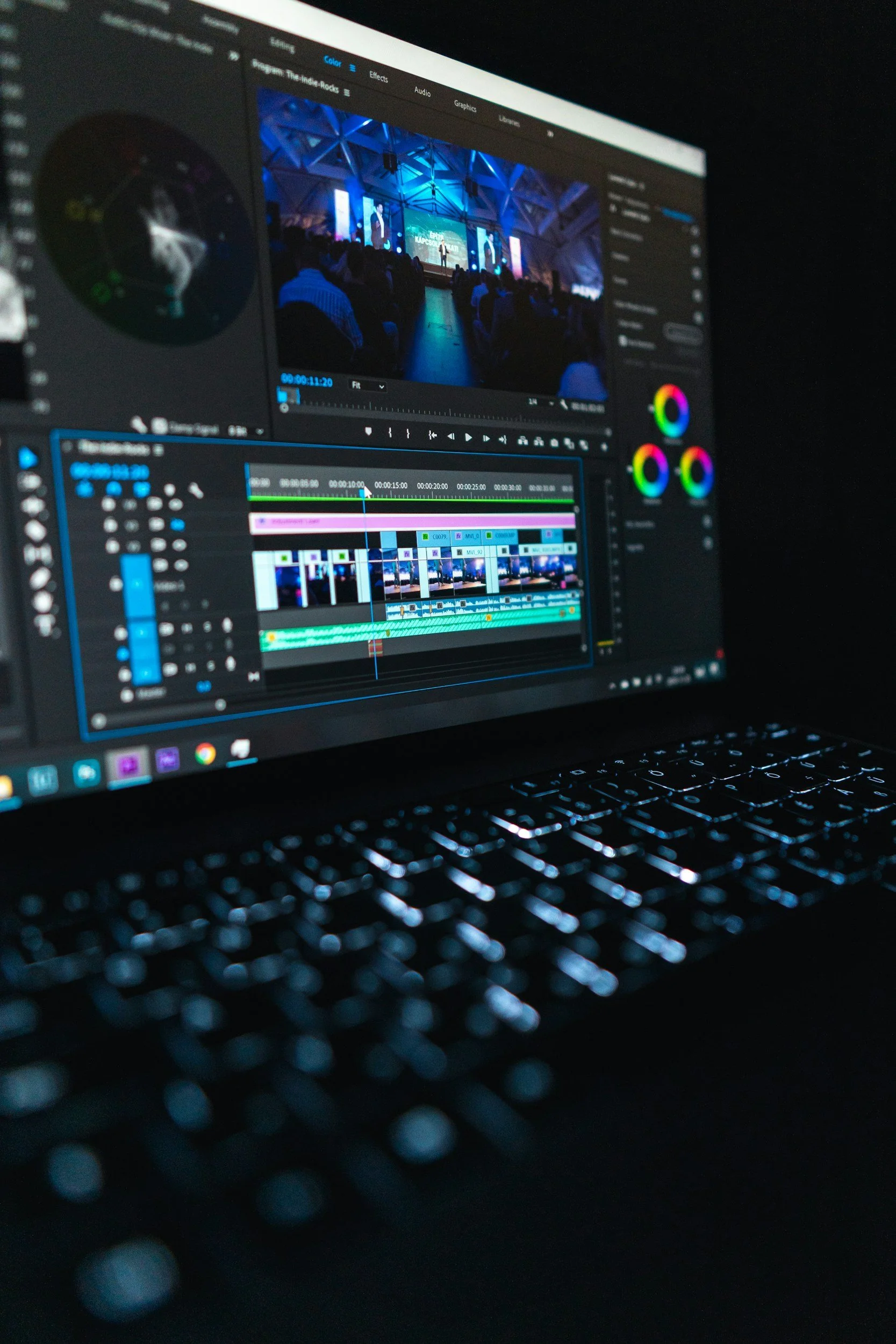
Comprehensive Protection: This policy covers accidental damage, loss, or theft. This doesn't just apply to cameras and lenses on set; it also extends to the high-performance workstations required for heavy UHD video editing and 3D rendering back in the post-production suite.
Policy Limits: Always ensure your policy limits reflect the actual, total replacement value of the equipment being used on any given day. Undervaluing your gear to save on premiums will leave you stranded if a catastrophic loss occurs.
3. Errors and Omissions (E&O): Protecting the Idea
While General Liability protects the physical environment, Errors and Omissions (E&O) insurance protects the intellectual one. E&O is your defense against lawsuits claiming that your film infringed on someone else's rights.
What it Covers: E&O covers legal defense costs and settlements regarding copyright infringement, plagiarism, libel, slander, unauthorized use of titles, or failure to secure proper clearances.
The Clearance Minefield: If an uncleared branded logo appears in the background of a documentary interview, or an actor ad-libs a line that defames a real person, E&O is what keeps you out of bankruptcy.
Distribution Requirements: If you plan to distribute your film, pitch it to a network, or sell it to a major streaming platform, the distributor will almost universally require you to have an E&O policy in place before they sign a contract.
4. Workers’ Compensation: Protecting the Crew
Even on tightly run indie sets where the crew consists entirely of seasoned freelancers or trusted long-term collaborators, accidents happen.
Medical and Wages: Workers' Compensation covers medical expenses, rehabilitation, and a portion of lost wages if a cast or crew member is injured while working on your production.
Legal Mandates: Depending on the state where you are operating—and the specific employment classification of your team (W-2 employees vs. 1099 independent contractors)—carrying this insurance is often legally mandated. Beyond the law, it is a fundamental ethical responsibility to protect the people bringing your creative vision to life.
5. Directors & Officers (D&O) Liability
For media non-profits or larger production entities governed by a board of directors, D&O insurance is a critical, often-overlooked addition.
Organizational Protection: D&O liability policies protect the personal assets of corporate directors and officers in the event they are personally sued by employees, vendors, competitors, or investors for alleged wrongful acts in managing the organization.
Fiduciary Safety: If a board makes a financial decision that inadvertently causes a loss, or if there is a breach of fiduciary duty claim, a solid D&O policy (which is typically renewed annually) ensures that the individuals volunteering or employed to lead the organization are not personally financially ruined by organizational litigation.
6. Sizing Your Policy: Short-Term vs. Annual
When quoting policies, producers must evaluate the scale and frequency of their projects. Note that many major entertainment insurance providers have strict thresholds, sometimes requiring total production budgets to exceed the $5 million mark for certain tiers of comprehensive film coverage, making specialized indie brokers essential.
Short-Term Production Policies: If you are only shooting one or two weekend projects a year, a short-term policy (covering a specific span of days or weeks) is the most cost-effective route. It covers the specific dates of pre-production, principal photography, and wrap.
Annual (DICE) Policies: For entities consistently working on documentaries, industrial videos, commercials, and educational (DICE) shoots throughout the year, investing in an Annual policy provides continuous, blanket coverage. This ultimately saves money and eliminates the administrative headache of binding new policies for every single regional shoot.
The Takeaway
Insurance is not just an annoying bureaucratic hurdle; it is a vital tool for professional risk management. By taking the time to understand these policies, reading the fine print of vendor contracts, and verifying specific terms directly with a licensed agent, independent crews can protect their talent, their hard-earned assets, and the longevity of their creative businesses.Watch: