

The Ubiquitous Code: Powering Our Modern World
By ERMW Team
Thursday, May 1, 2025
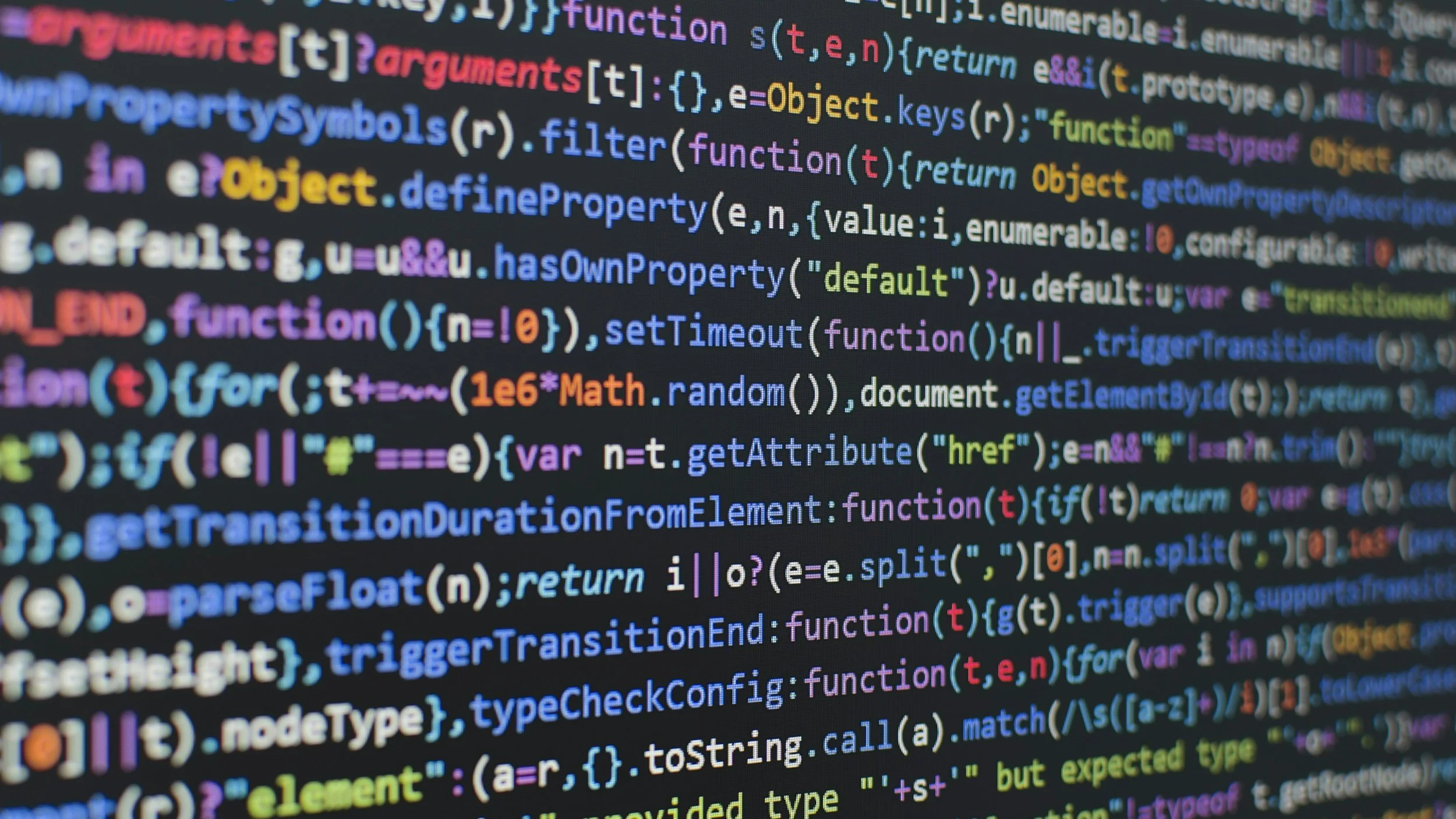
Code, the language of computers, has become an invisible yet indispensable force shaping nearly every facet of our lives. From the moment we wake up to the ping of our alarm clock to the complex algorithms driving self-driving cars, code is the silent engine propelling our modern world forward. While often hidden from view, its impact is profound and constantly expanding.
A Brief History:
The journey of code began centuries ago, with pioneers like Ada Lovelace envisioning the potential of algorithms. Over time, programming languages have evolved from early machine code to the sophisticated tools we use today, making coding more accessible and powerful. This evolution has fueled innovation across industries, transforming how we work, communicate, and experience the world.
Code in Action: IRL
Let's explore how code permeates our daily routines:
Communication: We connect with friends and family through social media platforms (Facebook, Instagram, Twitter), instant messaging apps, and email, all powered by lines of code.
Entertainment: We stream movies on Netflix, listen to music on Spotify, and play video games, all reliant on code for content delivery, user interface, and gameplay.
Navigation: GPS apps guide us to our destinations, using code to calculate routes, track our location, and provide real-time updates.
Commerce: We shop online, manage our finances through digital banking, and order food for delivery, all facilitated by secure and efficient code.
Smart Homes: Our homes are becoming increasingly intelligent, with code controlling everything from thermostats and lighting to security systems and appliances.
Healthcare: Medical devices, electronic health records, and telemedicine platforms rely on code for accurate diagnostics, patient monitoring, and efficient healthcare delivery.
Transportation: Cars, trains, and airplanes utilize complex code for navigation, safety features, and autonomous driving systems.
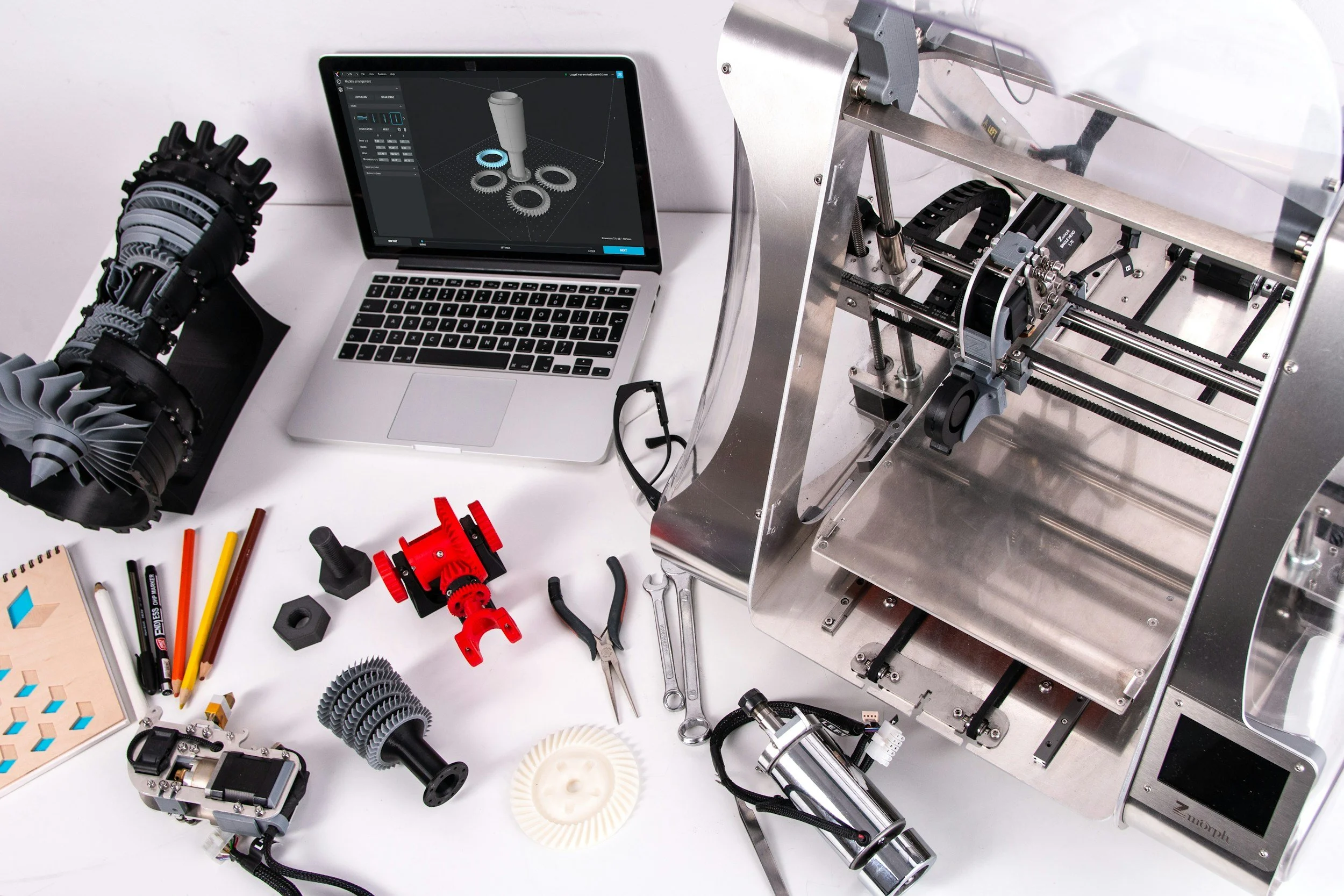
Manufacturing: Factories are increasingly automated, with robots and machinery programmed with code to perform complex tasks with precision.
Agriculture: Precision farming techniques, using sensors and data analysis, rely on code to optimize crop yields and resource management.
Education: Online learning platforms and educational apps provide accessible and engaging learning experiences, all built with code.

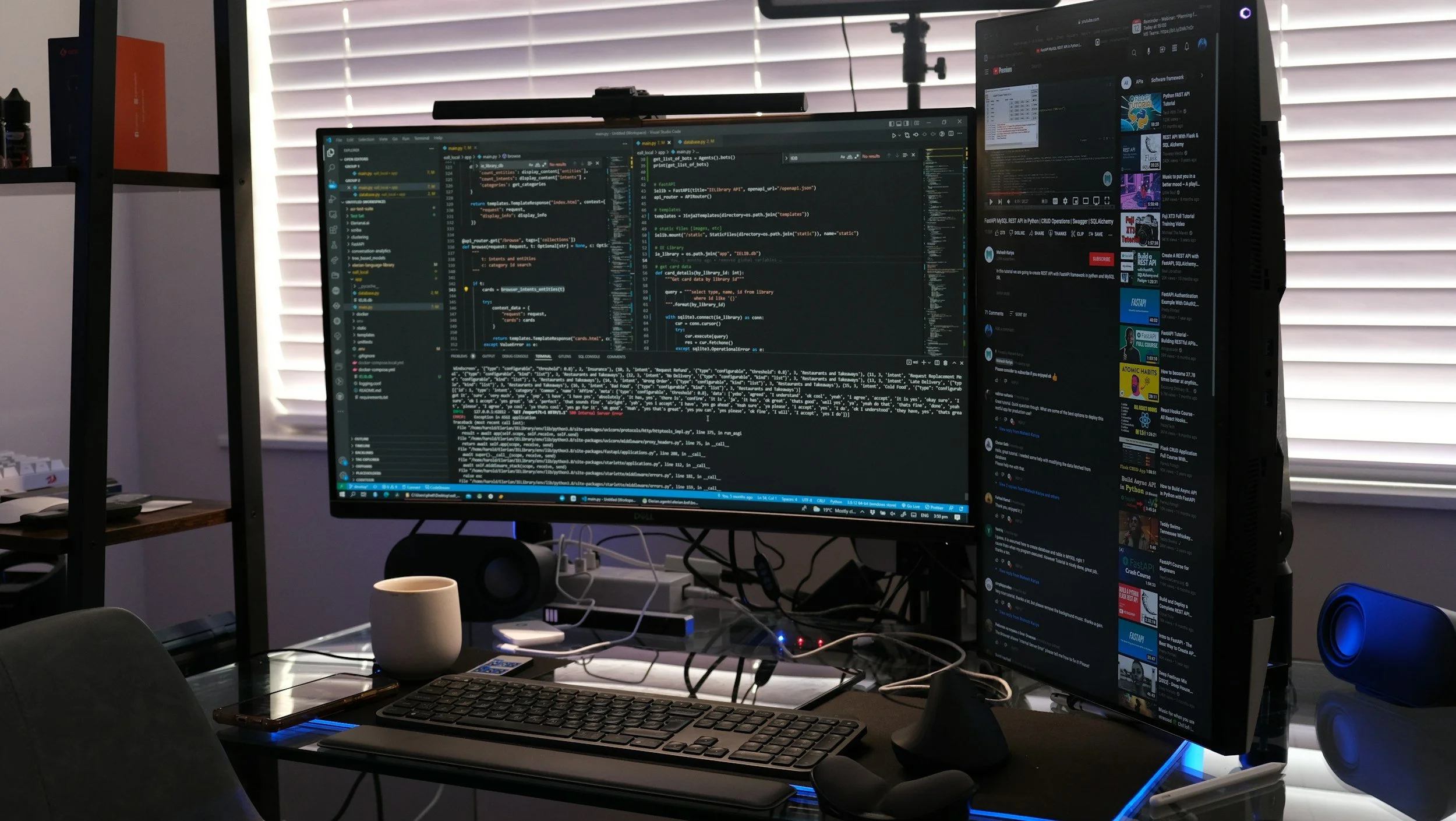
Our everyday routines are deeply intertwined with unseen lines of code, making almost everything we use function. Consider someone starting their day with a smartphone alarm, its timing influenced by algorithms optimizing battery life and user habits. Their morning commute might involve checking real-time traffic updates on a navigation app, powered by location services and data analysis. At work, they likely interact with email clients and productivity software, all built upon layers of programming languages. During a lunch break, browsing social media or ordering food online involves navigating interfaces and processing transactions secured by complex code. In the evening, streaming a show or video chatting with family relies on content delivery networks and encoding/decoding algorithms. Even seemingly simple interactions, like using a smart speaker to play music or asking a question, are translated and processed by sophisticated voice recognition and natural language processing code. Our present everyday is already a testament to the pervasive influence of code, subtly shaping our experiences and connecting us to a world increasingly powered by its invisible logic.
Beyond the Everyday:
The influence of code extends far beyond our daily routines, impacting critical sectors and driving innovation:
Cybersecurity: Protecting our data and systems from cyber threats relies heavily on sophisticated code for firewalls, encryption, and threat detection.
Artificial Intelligence: Machine learning, natural language processing, and computer vision are all driven by code, enabling computers to learn, understand, and interact with the world in new ways.
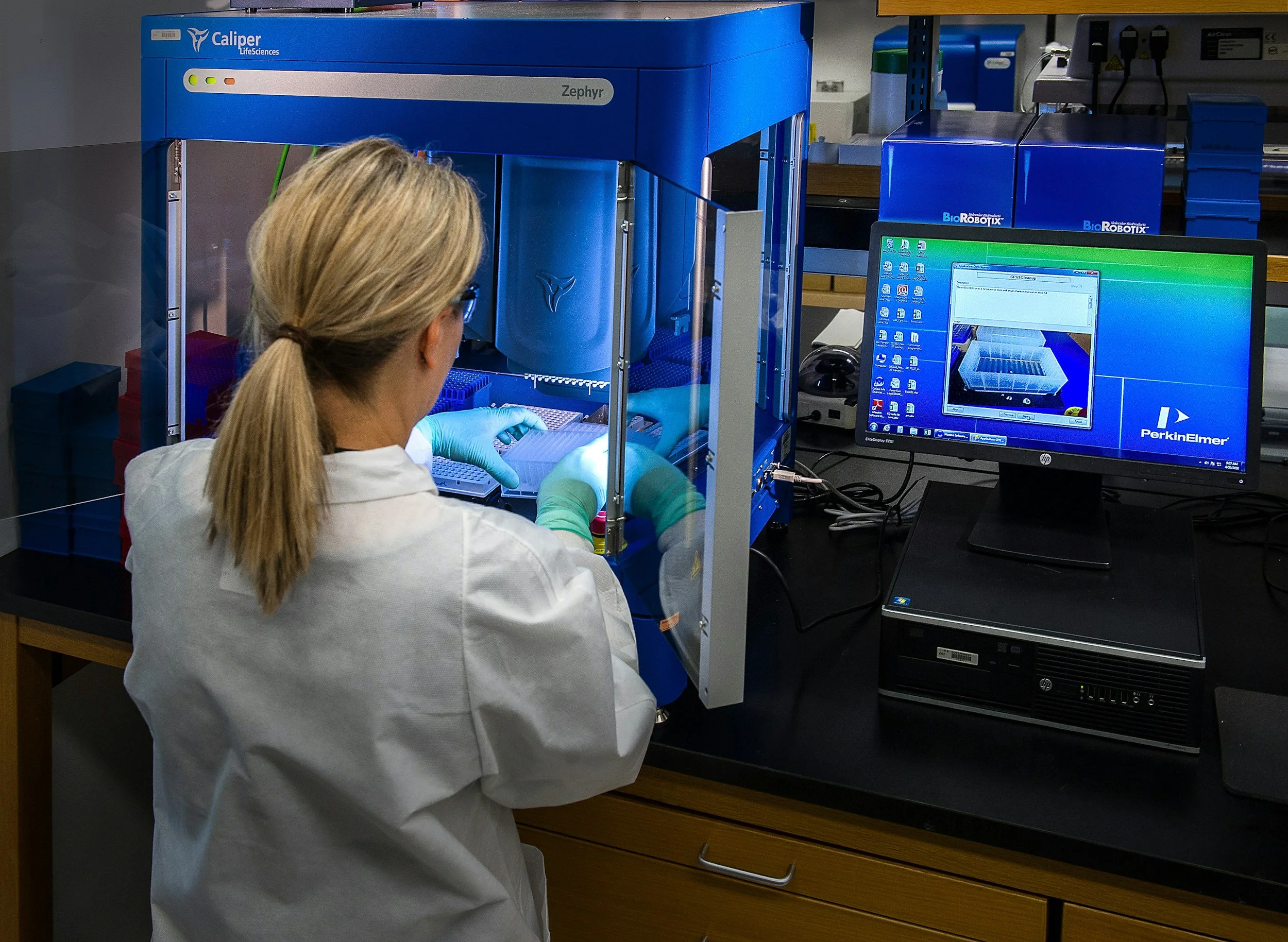
Scientific Research: Data analysis, simulations, and complex calculations in fields like medicine, climate science, and astrophysics are made possible by advanced coding techniques.
Sustainability: Technology plays a crucial role in addressing climate change, with code powering smart grids, renewable energy systems, and environmental monitoring tools.
Accessibility: Assistive technologies for people with disabilities rely on code to enhance communication, mobility, and independence.
Real-world cybersecurity code blocks bank heists. AI code in hospitals detects early cancer. Scientific research code predicts climate change. Sustainability code optimizes solar power grids. Accessibility code lets the visually impaired use computers. And this is just the beginning…
The Future of Code:
In the near future, we'll likely see code become even more integrated into our lives, often in ways that are more personalized and anticipatory. Imagine:
Hyper-Personalized Experiences: Code will power AI that understands our individual preferences and needs on a deeper level, curating highly specific content, recommendations, and even automated daily routines.
Smarter Environments: Our homes, workplaces, and cities will be even more intelligent, with code managing energy consumption, transportation flow, and resource allocation with greater efficiency and responsiveness.
Enhanced Human Capabilities: Code-driven augmented reality and brain-computer interfaces could provide us with real-time information overlays, seamless communication, and even direct interaction with digital systems through thought.
More Intuitive Interactions: Natural language processing will advance, allowing us to interact with technology using simple conversation, with code translating our intent into actions without the need for complex interfaces.
Democratized Creation: Low-code and no-code platforms will empower more people to create their own applications and automate tasks, blurring the lines between user and developer.
AI-Assisted Everything: AI-powered coding tools will become more sophisticated, helping developers write, debug, and optimize code faster, potentially leading to rapid innovation across all sectors.
Personalized Healthcare: Code analyzing our genetic data and real-time health metrics will enable highly tailored medical treatments and preventative care.
Seamless Physical-Digital Integration: The lines between the physical and digital worlds will continue to blur, with code enabling more seamless and intuitive interactions with the objects and spaces around us.
As technology continues to evolve, the importance of code will only grow. From personalized medicine to space exploration, the possibilities are limitless. Learning to code is not just about acquiring a valuable skill, it's about understanding and shaping the future. In an increasingly digital world, code is the language of innovation, and its influence will continue to expand, transforming the way we live, work, and interact with the world around us.









May 1, 2025
Code, the language of computers, has become an invisible yet indispensable force shaping nearly every facet of our lives. From the moment we wake up to the ping of our alarm clock to the complex algorithms driving self-driving cars, code is the silent engine propelling our modern world forward. While often hidden from view, its impact is profound and constantly expanding.