Breakthroughs in Coding: The Defining Moments of 2025
By ERMW Team
Thursday, November 20, 2025
The year 2025 has marked a fundamental shift in software development, driven by the commercial maturation of Agentic AI and significant breakthroughs in fault-tolerant quantum hardware. The role of the developer is evolving from writing lines of code to architecting and guiding highly intelligent systems.
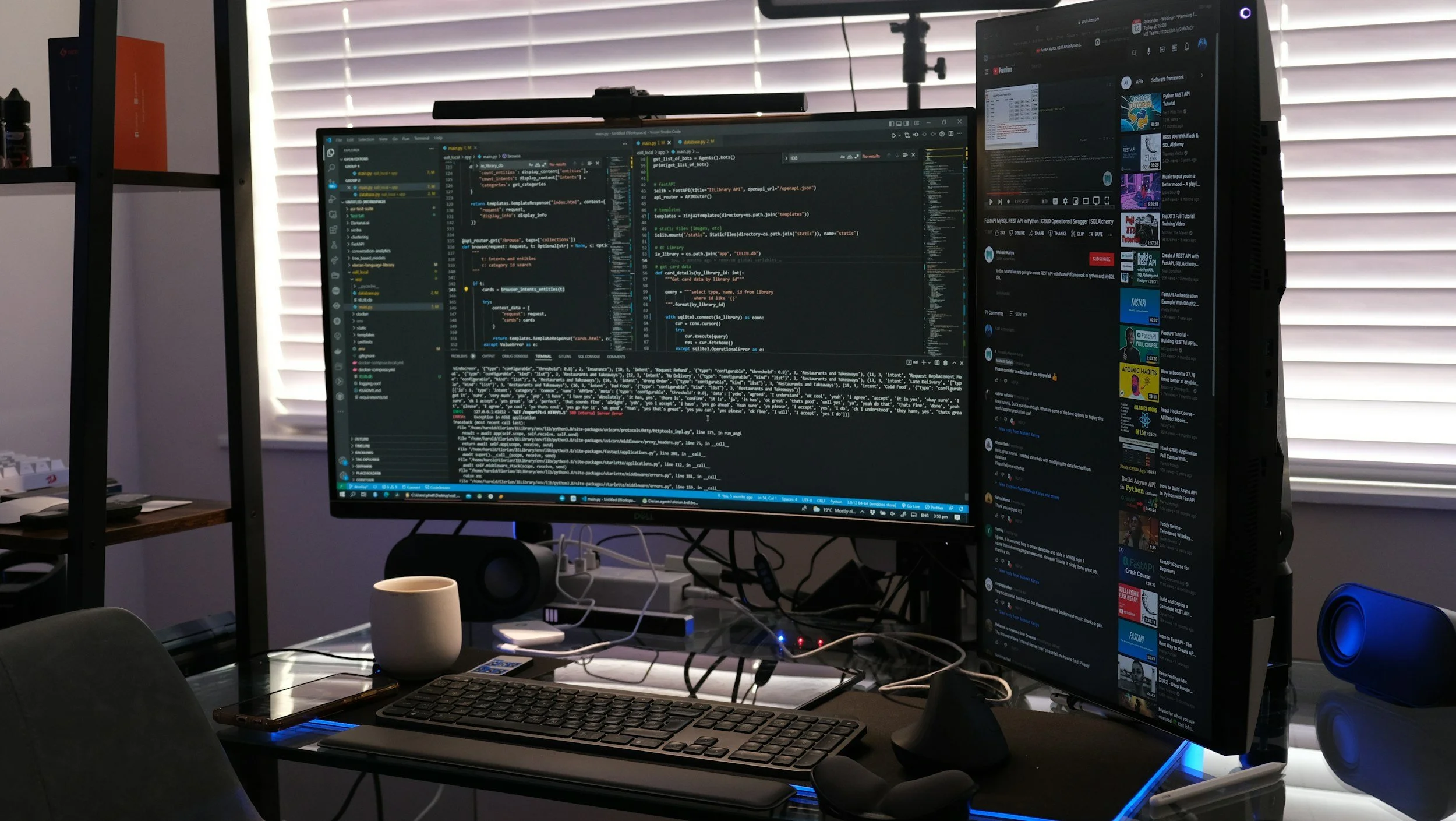
AI-Assisted Development Reaches a New Level: The Era of Agentic AI
AI coding assistants have progressed from simple auto-completion tools to autonomous, goal-oriented collaborators known as Agentic AI. These systems can now reason, plan multi-step solutions, and handle complex tasks across entire codebases with minimal human intervention.
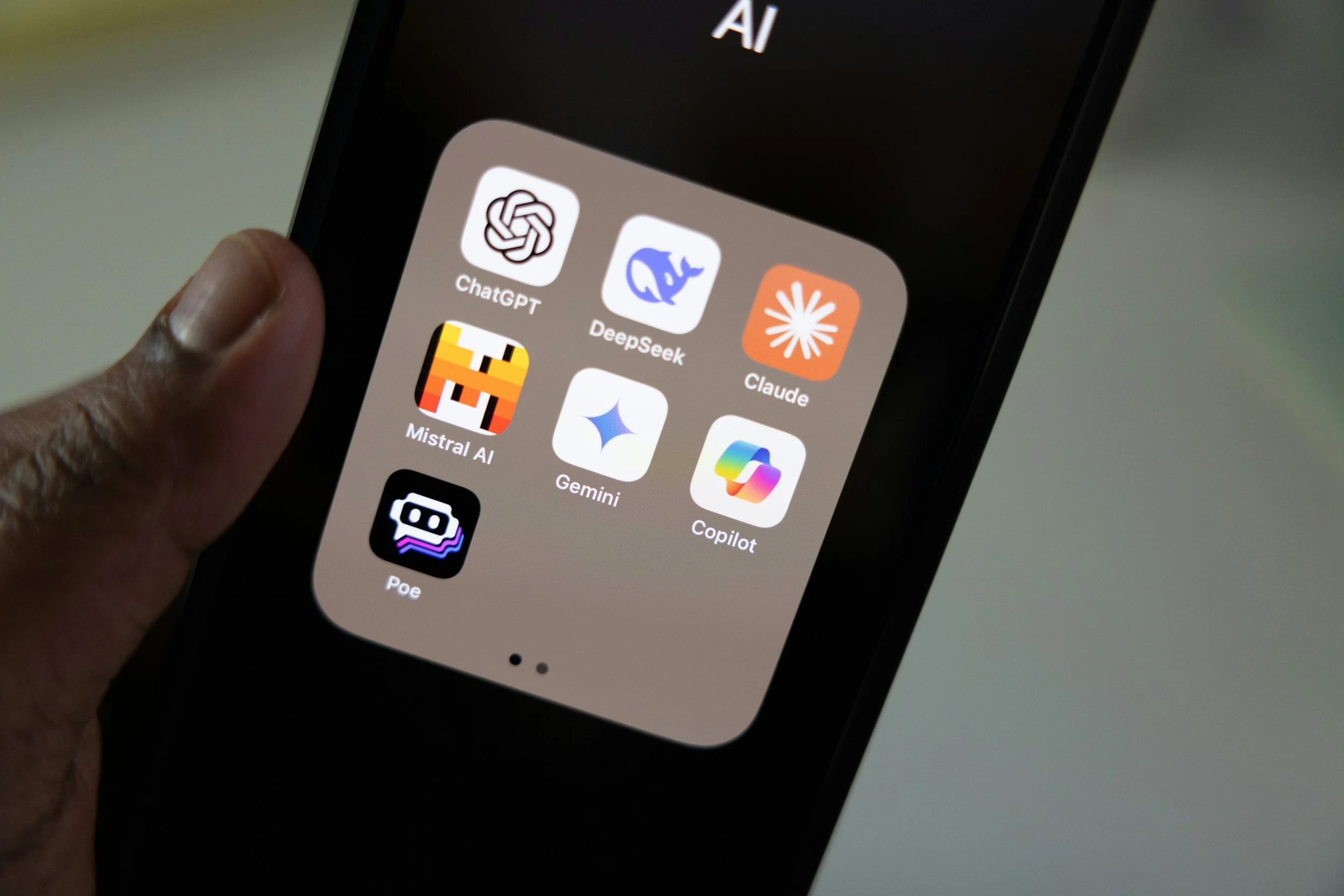
Generative AI for Long-Horizon Tasks: New, highly-tuned LLMs like Claude 3.7 Sonnet and Gemini 3 Pro have achieved record-breaking performance on real-world software issue resolution benchmarks (SWE-bench). They can now:
Autonomous Feature Implementation: Generate entire functions, classes, or even multi-file refactoring and feature implementations from a single natural language prompt, maintaining context across a large codebase.
Extended Reasoning: Models utilize "extended thinking" capabilities to break down complex bugs step-by-step, explaining the logic before implementing the fix.
Automated Debugging and Optimization: The "AI debugger" is a standard reality. Tools not only identify bugs and security vulnerabilities but also suggest and automatically implement efficient fixes. Agentic systems can monitor and analyze code for performance bottlenecks, automatically refactoring sections for better speed and memory efficiency, freeing developers for complex architectural design.
Smarter No-Code and Low-Code Platforms: AI now powers the underlying logic of these platforms, allowing users to describe the desired application behavior (e.g., "build an inventory tracking app with email alerts"), and the AI constructs the logic, further democratizing application creation.
The Quantum Leap: Practical Hybrid Programming
Quantum computing has moved from theoretical physics to commercially pragmatic applications, primarily through breakthroughs in hardware and the widespread adoption of Hybrid Classical-Quantum Programming.
Error Correction Revolution: The most significant breakthrough is the dramatic progress in quantum error correction. Chips from companies like Google (Willow chip) and Microsoft (Majorana 1 topological qubit) have demonstrated exponential error reduction as qubit counts increase, moving the industry closer to truly fault-tolerant, scalable logical qubits.
Hybrid Systems for Commercial Value: The focus in 2025 is on hybrid applications that offload specific, computationally intensive problems to a quantum computer while the rest of the application runs on a conventional machine.
Real-World Applications: This "best of both worlds" approach is delivering tangible value in fields like drug discovery (simulating molecules), financial modeling, and complex manufacturing fault detection (using quantum-enhanced AI).
Accessible Quantum SDKs: User-friendly Software Development Kits (SDKs) and integrated development environments (like NVIDIA CUDA-Q integrated with Amazon Bracket) allow traditional developers to write and simulate quantum algorithms using familiar languages like Python, making quantum experimentation more accessible.
Security and Trust in the Age of AI-Generated Code
As AI becomes a central co-creator of code, new security challenges are met with advanced AI defenses.
AI-Powered Security Scanning: AI-driven tools have become highly sophisticated, learning from vast datasets of known exploits to automatically scan, identify, and write proactive security patches for vulnerabilities, creating more secure applications by design.
The Trust and Verification Challenge: The lack of human-interpretable logic in some AI-generated code (the "Black Box" problem) remains a key area of focus. The industry is rapidly developing new verification and validation methods to formally prove that AI-generated code is not only functional but also trustworthy and free of subtle security backdoors.
Enduring Languages and Web Evolution
Amid the revolutionary shifts in AI and quantum, traditional programming saw an accelerated maturity toward performance, security, and portability.
Rust's Continued Rise: Rust has cemented its position as a top-tier language, driven by its unparalleled focus on memory safety and performance. Its adoption has exploded across major tech companies for core backend services, cloud infrastructure (like AWS Firecracker), and system-level components.
WebAssembly (Wasm) Dominance: WebAssembly (Wasm) has transcended the browser to become a standard for secure, high-performance code execution everywhere.
Universal Platform: Compiling languages like Rust, C++, and C# to Wasm enables applications to run at near-native speeds in the browser (powering tools like Figma), on the server (for secure serverless/edge computing via WASI), and on embedded systems.
Component Model: The maturation of the WebAssembly Component Model allows developers to seamlessly link modules written in different languages, accelerating polyglot development and solving complex dependency issues.
2025 has been a year of transformation, shifting the developer's focus from the mechanics of coding to the architecture and governance of intelligent software creation.