Filming Interviews 101: Capturing Compelling Stories on Camera
By ERMW Team
Thursday, May 29, 2025
Interviews are a cornerstone of storytelling, whether you're creating a documentary, a news segment, a corporate video, or even a personal project. A well-executed interview can bring a narrative to life, offering insights, emotions, and perspectives that resonate with viewers. This guide will walk you through the essential steps of filming effective interviews, from pre-production planning to post-production polish.
Pre-Production: Laying the Foundation for Success
The success of your interview hinges on thorough preparation. Don't just show up with a camera and start asking questions. Here's what you need to do:
Define Your Purpose: What story are you trying to tell? What information do you need to gather? Clearly defining your objective will guide your entire interview process.
Research Your Subject: Learn as much as possible about the person you're interviewing and the topic at hand. This will help you formulate insightful questions and understand their perspective.
Craft Your Questions: Prepare a list of open-ended questions that encourage your subject to share their thoughts and experiences. Avoid yes/no questions and focus on prompts that elicit detailed responses. However, be flexible and allow for natural conversation to unfold.
Secure Permissions: Obtain the necessary consent from your interviewee to film and use the interview footage. A written release form is crucial to protect yourself and your project.
Scout Your Location: Choose a quiet and visually appealing location that complements the tone of your interview. Consider factors like lighting, background, and ambient noise.
Plan Your Equipment: Ensure you have the necessary equipment, including a camera, microphone, tripod, lighting, and any other accessories you might need. Test your equipment before the interview to avoid technical glitches.
Production: Capturing the Moment
During the interview, your focus should be on creating a comfortable and conducive environment for your subject.
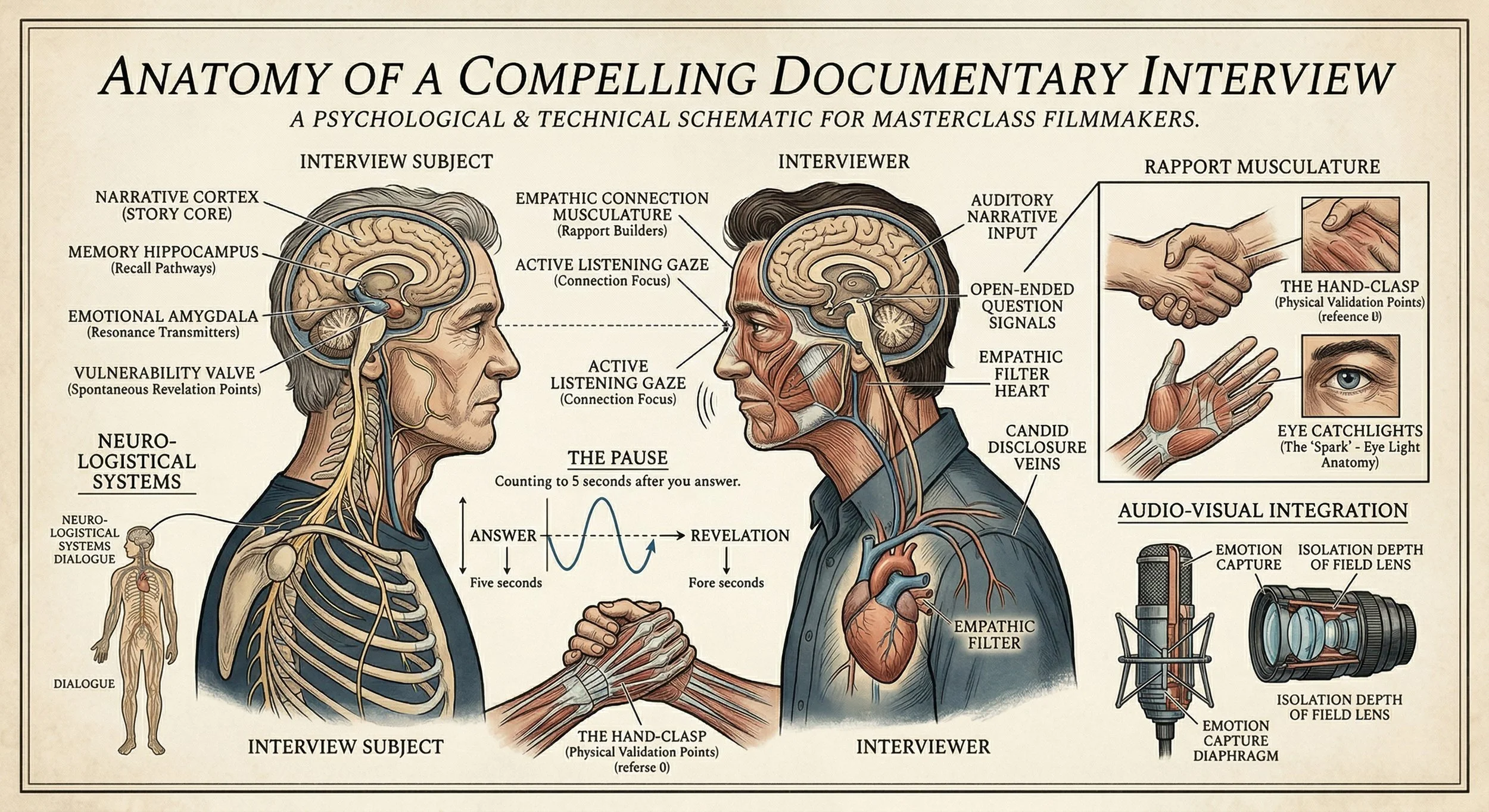
Build Rapport: Start by engaging in casual conversation to put your interviewee at ease. A relaxed subject will provide more authentic and insightful responses.
Explain the Process: Briefly explain the purpose of the interview and how the footage will be used. This will help your subject feel more comfortable and confident.
Ask Open-Ended Questions: Encourage your subject to elaborate on their answers. Use follow-up questions to delve deeper into specific topics.
Listen Actively: Pay close attention to what your interviewee is saying, both verbally and nonverbally. This will help you ask relevant follow-up questions and capture the essence of their story.
Maintain Eye Contact: Maintaining eye contact with your subject will help them feel heard and understood. However, be mindful of cultural norms regarding eye contact.
Be Flexible: The interview may take unexpected turns. Be prepared to deviate from your prepared questions if necessary to follow interesting threads of conversation.
Capture B-Roll: B-roll footage, such as shots of the interview location or related visuals, can add depth and visual interest to your final video. Plan to capture B-roll before or after the interview itself.
Technical Considerations:
Sound is King: Prioritize good audio. Use an external microphone, such as a lavalier or shotgun mic, to capture clear and crisp sound. Monitor your audio levels throughout the interview.
Lighting: Ensure your subject is well-lit. Natural light is often the best option, but you may need to supplement it with artificial lighting. Avoid harsh shadows and backlighting.
Camera Setup: Use a tripod to stabilize your camera and prevent shaky footage. Pay attention to framing and composition. Consider using multiple camera angles to add visual variety.
Record Everything: Always record the entire interview, even the casual conversation before and after. You never know when a valuable nugget of information might emerge.
Post-Production: Weaving the Narrative
After the interview, the post-production process is where you'll shape the raw footage into a compelling story.
Transcribe the Interview: Transcribing the interview will make it easier to review the content and identify key themes and sound bites.
Select the Best Moments: Choose the most impactful and relevant portions of the interview to include in your final video.
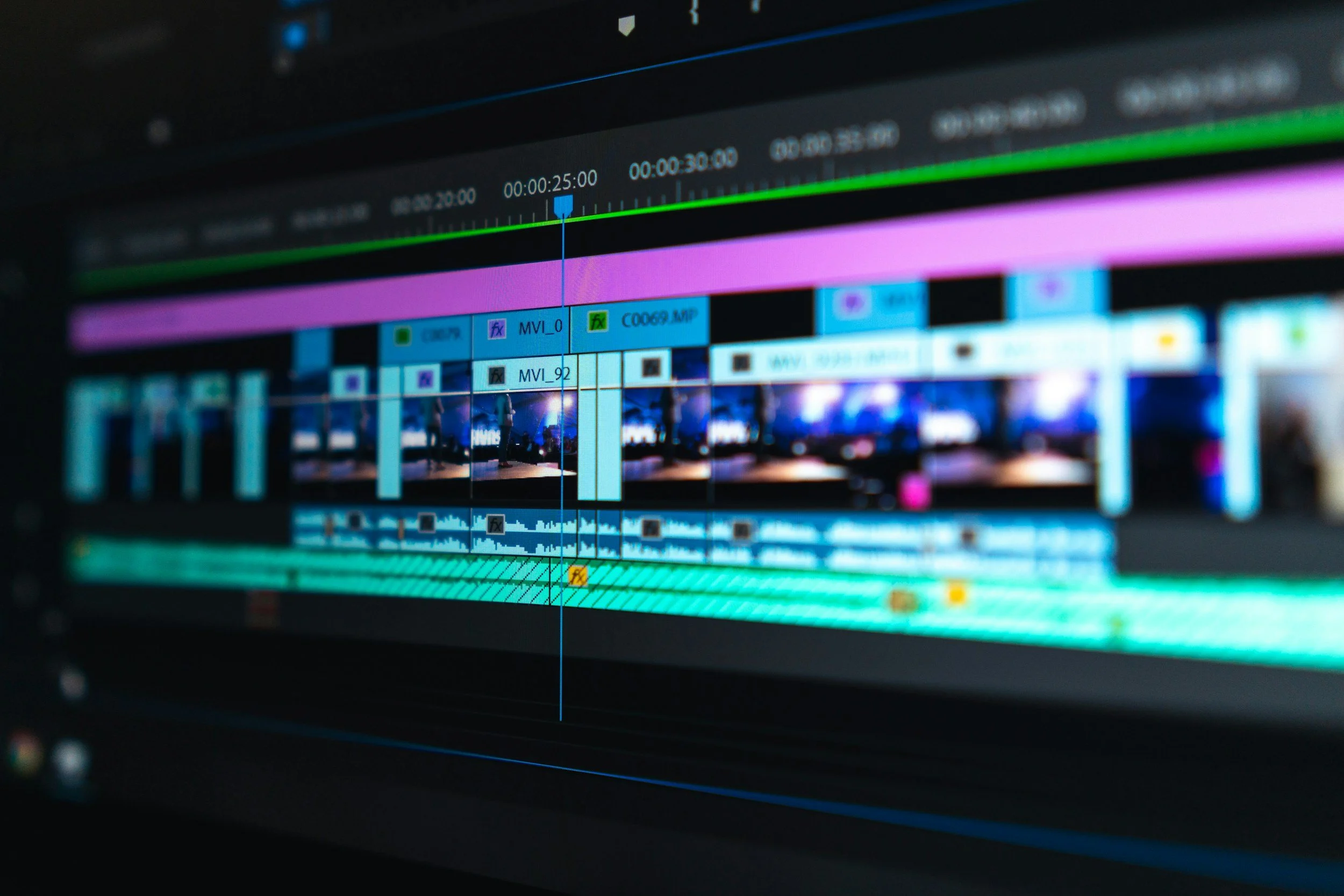
Edit the Footage: Use editing software to assemble the interview footage, B-roll, and any other visual elements. Pay attention to pacing, flow, and visual storytelling.
Add Music and Sound Effects: Music and sound effects can enhance the mood and emotional impact of your interview.
Color Correction and Grading: Ensure consistent color and brightness throughout your video.
Review and Refine: Watch your edited video multiple times to identify any areas that need improvement.
Final Thoughts:
Filming effective interviews is a skill that takes practice and patience. By following these guidelines and paying attention to the details, you can capture compelling stories that resonate with your audience. Remember, the goal is to create a comfortable environment for your subject and let their authentic voice shine through.