Prioritizing Protection: A Deep Dive into Film Production Set Safety
By ERMW Team
Thursday, October 2, 2025
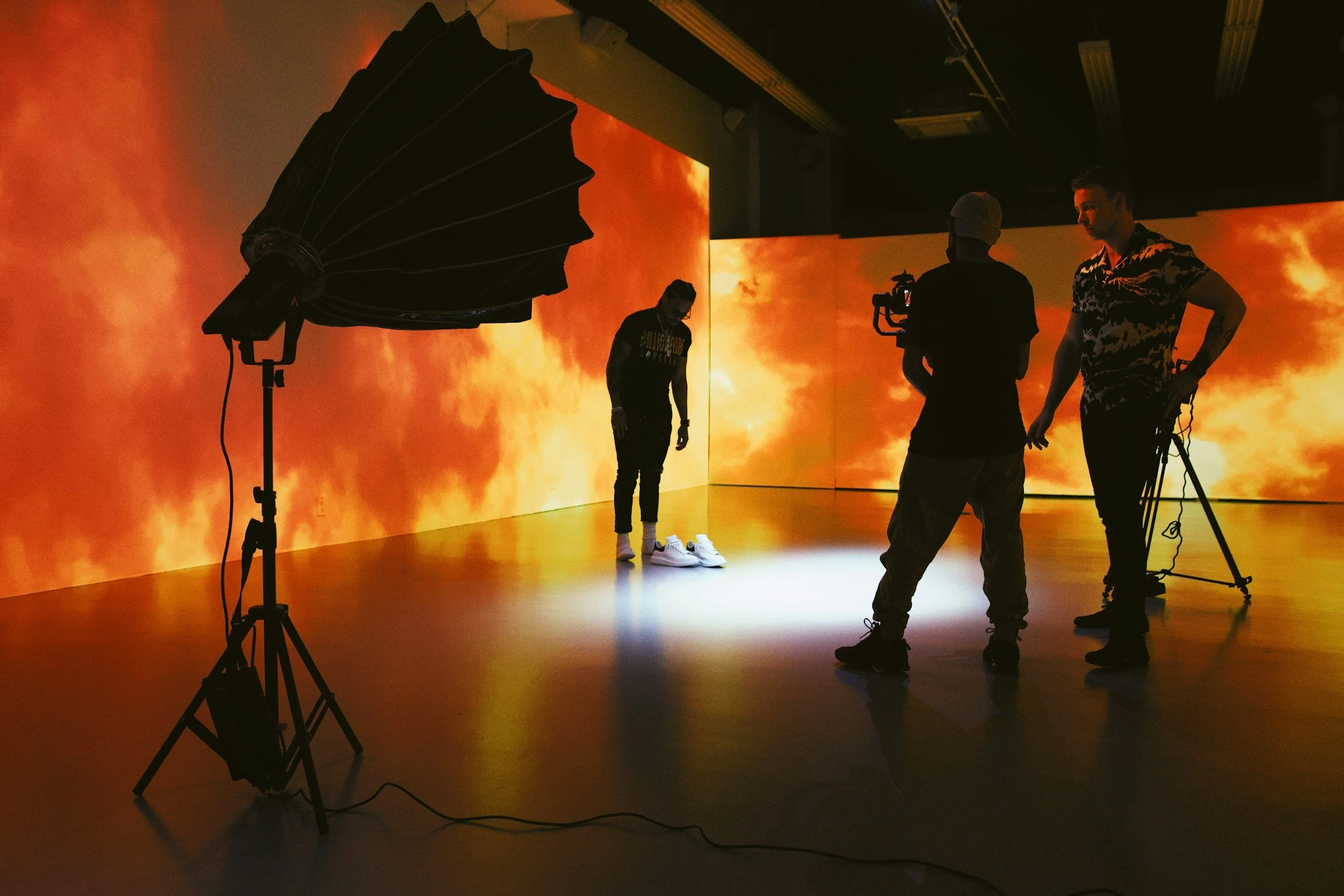
The magic of cinema often obscures the meticulous, and at times hazardous, work that brings stories to life. Behind every thrilling chase, explosive special effect, or dramatic scene lies a complex environment brimming with potential risks. Film sets are dynamic workplaces, combining heavy equipment, intricate electrical systems, challenging locations, and tight schedules. Prioritizing set safety isn't just a regulatory requirement; it's a moral imperative and the bedrock of a successful, professional production.
The industry has evolved significantly over the decades, moving from a "get the shot at all costs" mentality to one that increasingly emphasizes the well-being of its cast and crew. However, tragic incidents like the fatal shooting on the set of Rust in October 2021 serve as a stark, painful reminder that vigilance, strict adherence to protocols, and a culture of safety are non-negotiable.
The Dynamic Risks of a Film Set
Film sets are unique in their diverse and constantly changing risk profiles:
Physical Hazards: This is the most obvious category. It includes everything from slips, trips, and falls (due to cables, uneven terrain, or props), falling objects (lights, cameras, set pieces), and injuries from tools and machinery. Working at heights (on scaffolding, lifts, or rooftops) introduces fall risks, while confined spaces can pose ventilation or entrapment dangers.
Electrical Hazards: Sets are power-intensive. Improperly managed cables, faulty equipment, or inadequate grounding can lead to electrocution, fires, and equipment damage.
Chemical and Environmental Hazards: Special effects often involve chemicals (fog, smoke, paints, solvents), which require proper ventilation and handling. Location shoots might expose crews to extreme weather (heatstroke, hypothermia), dangerous wildlife, or unstable natural environments.
Pyrotechnics and Special Effects: Explosions, fires, squibs, and other effects are inherently dangerous and require highly trained specialists, meticulous planning, and strict exclusion zones.
Stunts and Action Sequences: While thrilling to watch, these involve choreographed risks. Miscommunications, inadequate safety gear, or improper execution can lead to severe injuries.
Vehicular Risks: Car chases, crashes, or even simply moving vehicles around a set pose risks to both crew and talent if not carefully managed.
Weapons (Prop and Real): The presence of firearms, even prop weapons, demands the highest level of caution. The Rust tragedy unequivocally highlighted the catastrophic consequences of complacency and a breakdown in established weapon safety protocols.
Key Pillars of a Robust Set Safety Program
Effective set safety relies on a multi-faceted approach, integrating policy, training, and a strong safety culture:
Comprehensive Risk Assessment and Planning:
Before principal photography begins, every aspect of the production, location, and specific scenes must undergo a thorough risk assessment. This identifies potential hazards and outlines mitigation strategies.
A detailed safety plan should be developed, covering everything from emergency procedures, communication protocols, and specific guidelines for high-risk activities (stunts, pyrotechnics, weapons).
This plan should be actively reviewed and updated as the production progresses and conditions change.
Dedicated Safety Personnel:
Larger productions typically employ a Set Safety Coordinator or Health & Safety Manager. This individual is an expert in occupational safety, specifically for the film industry.
Their role is to advise the production team, conduct safety briefings, inspect the set, monitor adherence to protocols, and act as a point person for safety concerns.
Mandatory Safety Training and Briefings:
All crew members, regardless of department, must receive general set safety training covering basic protocols, emergency exits, first aid, and reporting procedures.
Specific departments (e.g., grips, electric, special effects) require specialized training relevant to their equipment and tasks.
Daily safety briefings at the start of each workday or before new, complex setups are crucial for communicating immediate hazards and plans.
Strict Weapon Safety Protocols (Lessons from Rust):
The Rust incident underscored the critical need for an absolute, unwavering commitment to weapon safety. Industry standards, which were reportedly not consistently followed on that set, include:
Dedicated Armorer: A highly trained and certified armorer must be solely responsible for all weapons on set. This is a specialized, non-delegable role.
Clear Chain of Custody: Every weapon must have a documented chain of custody from the armorer to the set and back.
"Cold Set" Protocol: No live ammunition, under any circumstances, should be present on a set with prop firearms. This is a fundamental rule.
Verification: Actors and crew should be trained to visually inspect weapons themselves and never assume a weapon is "cold" until verified. The armorer must demonstrate the weapon is safe.
No Pointing at People: Whenever possible, avoid pointing a weapon at a person, even with blanks, and use camera angles to create the illusion.
Muzzle Control: Always treat a weapon as if it's loaded and maintain strict muzzle control.
The industry is actively reviewing and implementing even more stringent policies, including a push for digital-only or replica weapons where possible, to prevent similar tragedies.
Proper Equipment and Personal Protective Equipment (PPE):
All equipment (lights, cameras, rigging, vehicles) must be regularly inspected, maintained, and certified.
Crew members must be provided with and mandated to use appropriate PPE, such as hard hats, safety glasses, gloves, steel-toed boots, and hearing protection, as required by their tasks.
Emergency Preparedness:
Clear and practiced emergency response plans for fire, medical emergencies, natural disasters, or other critical incidents.
Designated first-aid personnel and readily accessible first-aid kits.
Known escape routes and assembly points.
Open Communication and Reporting Culture:
Crew members must feel empowered and safe to report hazards, near-misses, or unsafe practices without fear of reprisal.
A "stop work" authority for any crew member who identifies an immediate, critical safety risk.
This fosters a proactive safety culture where everyone is a stakeholder.
The Role of Regulatory Bodies and Unions
Organizations like the Occupational Safety and Health Administration (OSHA) in the United States and similar bodies globally, set general workplace safety standards that apply to film sets. Film unions and guilds (e.g., IATSE, SAG-AFTRA, DGA) also play a crucial role, developing specific safety bulletins, training programs, and advocating for stronger protections for their members. They often have internal safety committees and reporting mechanisms.
Safety as an Intrinsic Part of Storytelling
In New Mexico, like any other burgeoning film location, the commitment to set safety is paramount for building a sustainable and reputable industry. The tragedy on the Rust set served as a global wake-up call, reinforcing that no shot, no schedule, and no budget is worth risking a life.
A safe set is an efficient set. When cast and crew feel secure, they can focus entirely on their craft, leading to better performances and higher quality productions. Prioritizing protection isn't an obstacle to creativity; it's the foundation upon which truly great and responsible storytelling is built. It ensures that the only drama we experience is what's on screen, and the only lasting impact is the story, not a tragedy.