The Future of AI in Video – Opportunities & Challenges
By ERMW Team
Thursday, June 12, 2025

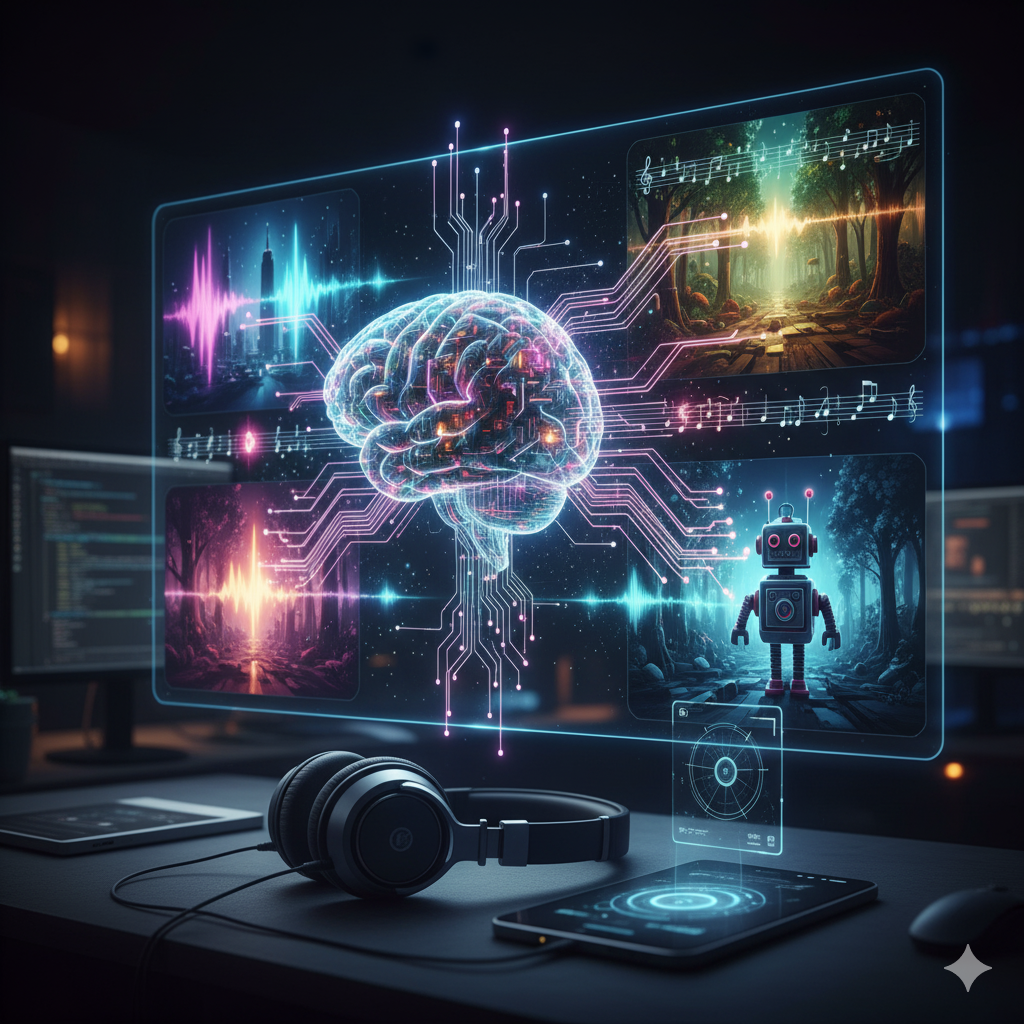
Generative artificial Intelligence is not just a buzzword; it is a seismic force fundamentally reshaping the landscape of video production at an astonishing pace. We stand at the precipice of a new era, where the capabilities of AI are only beginning to be understood, promising revolutionary changes in how stories are conceived, created, and consumed. This article delves into the thrilling opportunities blossoming on the horizon, juxtaposed against the critical ethical considerations that absolutely must be addressed to ensure this powerful technology evolves as a force for good, rather than a source of disruption or harm.
A Glimpse into Tomorrow: The Future is Bright (and a Little Bit Blurry)
The integration of AI into video production isn't a distant dream; it's already happening and poised for exponential growth, leading to transformative shifts across the entire workflow:
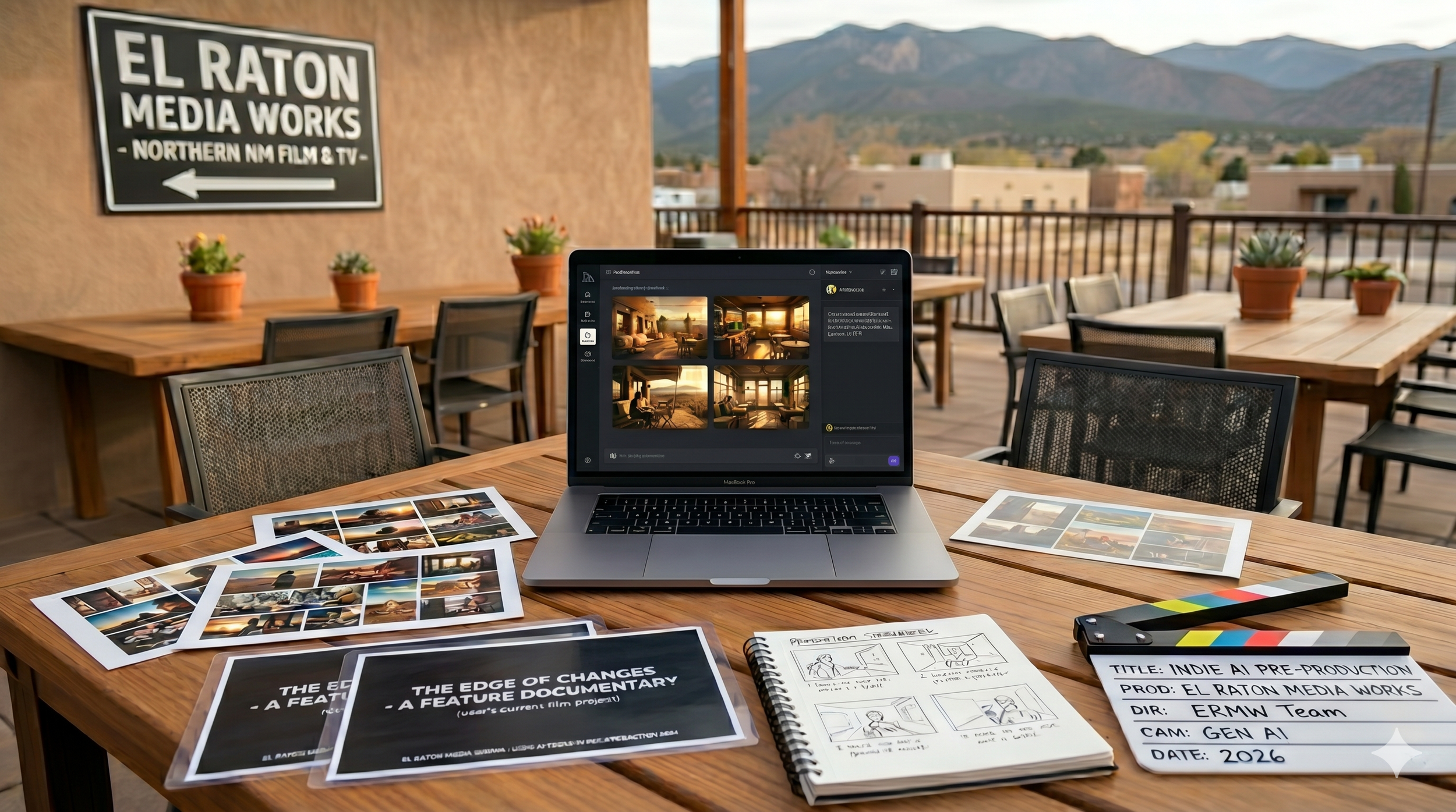
AI as an Omnipresent Assistant on Every Set: Imagine a future where AI isn't just an optional tool, but an indispensable, intuitive partner for filmmakers of all experience levels. From the initial scriptwriting phase, where AI can offer nuanced script tweaks, suggest alternative dialogue, or even identify potential narrative gaps, to on-the-fly storyboard suggestions that visualize complex scenes in real-time. AI will assist with casting recommendations, optimize lighting setups, and even provide real-time feedback on performances, streamlining decision-making and accelerating creative iterations on set. This pervasive presence will free up human creatives to focus on the grand vision, rather than meticulous technicalities.
The Dawn of Hyper-Personalized Content: The traditional one-to-many broadcast model is evolving. With advanced AI, we can envision a future where video content dynamically adapts in real-time, tailoring itself to individual viewer data and preferences. Picture a film where the background music subtly shifts to match the viewer's emotional state, or where minor visual elements within a scene are customized to resonate more deeply with specific demographic insights. This level of personalization could maximize engagement, creating uniquely immersive experiences for each audience member, though it raises questions about shared cultural touchstones and filter bubbles.
Democratizing Filmmaking: Unleashing Global Creativity: One of AI's most profound potentials lies in its ability to flatten the creative playing field. As increasingly powerful AI tools become more accessible and user-friendly, they will empower aspiring filmmakers with limited experience or financial resources to turn ambitious ideas into stunning realities. Imagine a student with a compelling story generating complex CGI sequences, a journalist creating high-quality documentary footage from text prompts, or an independent artist animating an entire short film with minimal technical knowledge. This democratization could unleash an explosion of diverse voices and narratives from every corner of the globe.
Navigating the Minefield: Challenges and Ethical Considerations
While the opportunities are vast, the rapid advancement of generative AI in video also presents significant challenges and ethical dilemmas that demand proactive solutions:
The Peril of Deepfakes and Disinformation: As AI-generated footage becomes indistinguishable from reality, the proliferation of "deepfakes" poses a profound threat to truth and trust. It will become increasingly difficult for the public to discern genuine events from fabricated ones, necessitating a monumental leap in digital authentication methods, watermarking, and, crucially, widespread media literacy education. The potential for political manipulation, personal defamation, and widespread disinformation is a grave concern that requires robust technological and societal safeguards.
Untangling Ownership, Copyright, and Bias: The creation of content by AI raises complex questions about intellectual property. Who owns the rights to a video generated by an AI? The programmer, the user, the AI itself, or the original artists whose work fed the AI's training data? Furthermore, AI systems are only as unbiased as the data they are trained on. If training datasets are not diverse and representative, AI-generated content risks perpetuating and amplifying existing societal biases, stereotypes, and harmful representations, necessitating careful curation and auditing of training materials.
Protecting Creative Jobs: Evolution, Not Replacement: A common fear is that AI will render human artists and craftspeople obsolete. While some tasks may be automated, it's far more likely that AI will fundamentally evolve existing roles and create entirely new ones. The emphasis will shift from repetitive or technically demanding tasks to higher-level creative direction, curation, ethical oversight, and the ability to leverage AI tools effectively. This necessitates a proactive approach to re-skilling and up-skilling the creative workforce to thrive in an AI-augmented environment.
The Ideal Partnership: AI as Creative Collaborator
The most inspiring and sustainable future for video production is not one where AI replaces human ingenuity, but where it operates in seamless tandem with it. Think of AI as possessing an array of extraordinary superpowers designed to amplify, not supplant, human creativity:
A Tireless Idea Generator: AI can act as an unparalleled brainstorming partner, helping filmmakers overcome creative blocks by suggesting novel plotlines, character arcs, visual motifs, or even exploring alternative stylistic approaches. It can rapidly generate countless variations, allowing human creators to cherry-pick and refine the most compelling concepts.
A Technical Maestro: Imagine offloading the most mundane, repetitive, and time-consuming technical tasks to AI – rotoscoping, motion tracking, initial color grading passes, even basic editing assembly. This liberates filmmakers to dedicate their precious time and mental energy to the profound big-picture storytelling decisions, character development, and truly innovative artistic choices that only a human mind can conceive.
A Bridge to Global Audiences: AI can act as a powerful enabler of accessibility and reach. Automated, high-quality translation and dubbing, AI-generated closed captions for diverse languages, and even AI-driven content optimization for specific cultural contexts can ensure that compelling stories are not limited by linguistic or geographical barriers, allowing them to be enjoyed by audiences worldwide.
Our Collective Responsibility: Shaping the Future of AI in Video
Generative AI holds immense potential to be an empowering and transformative tool for storytellers across all mediums. However, its responsible development and integration into the video production ecosystem must go hand-in-hand with a collective commitment to:
Transparency: Establishing clear and ethical standards for disclosing when and how AI was used in the production of video content. This includes visible watermarks or metadata to help distinguish AI-generated from human-shot footage.
Education: Implementing robust media literacy programs for the general public, teaching critical thinking skills and raising awareness about AI's capabilities, limitations, and the potential for misuse.
Industry Standards: Proactive development of comprehensive guidelines and best practices for the responsible and ethical use of AI in film and television production, actively protecting creative ownership, ensuring fair compensation models, and rigorously combating the malicious misuse of the technology.
Embracing the Potential, Mindful of the Challenges
The trajectory of video production is undeniably, irrevocably intertwined with the ascendance of Generative AI. This is a thrilling, albeit complex, period to be a creator. By embracing this technology with an open mind, diligently asking critical ethical questions, and fostering a collaborative spirit between human ingenuity and AI's computational prowess, we can collectively usher in a groundbreaking and more inclusive era of storytelling, one that truly pushes the boundaries of what's possible on screen.