Visual Storytelling 101: The Art of Showing, Not Telling
By ERMW Team
Thursday, June 19, 2025
Film, at its very essence, is a visual medium. While the power of a compelling script and poignant dialogue is undeniable, the true magic of cinema, its ability to transport and deeply engage an audience, predominantly unfolds through the strategic use of images. As a screenwriter, understanding and consciously harnessing the principles of visual storytelling is not merely a bonus; it's the fundamental key to elevating your script from a good read to a cinematic masterpiece that sings on screen.
Decoding the Language of Images: What Exactly is Visual Storytelling?
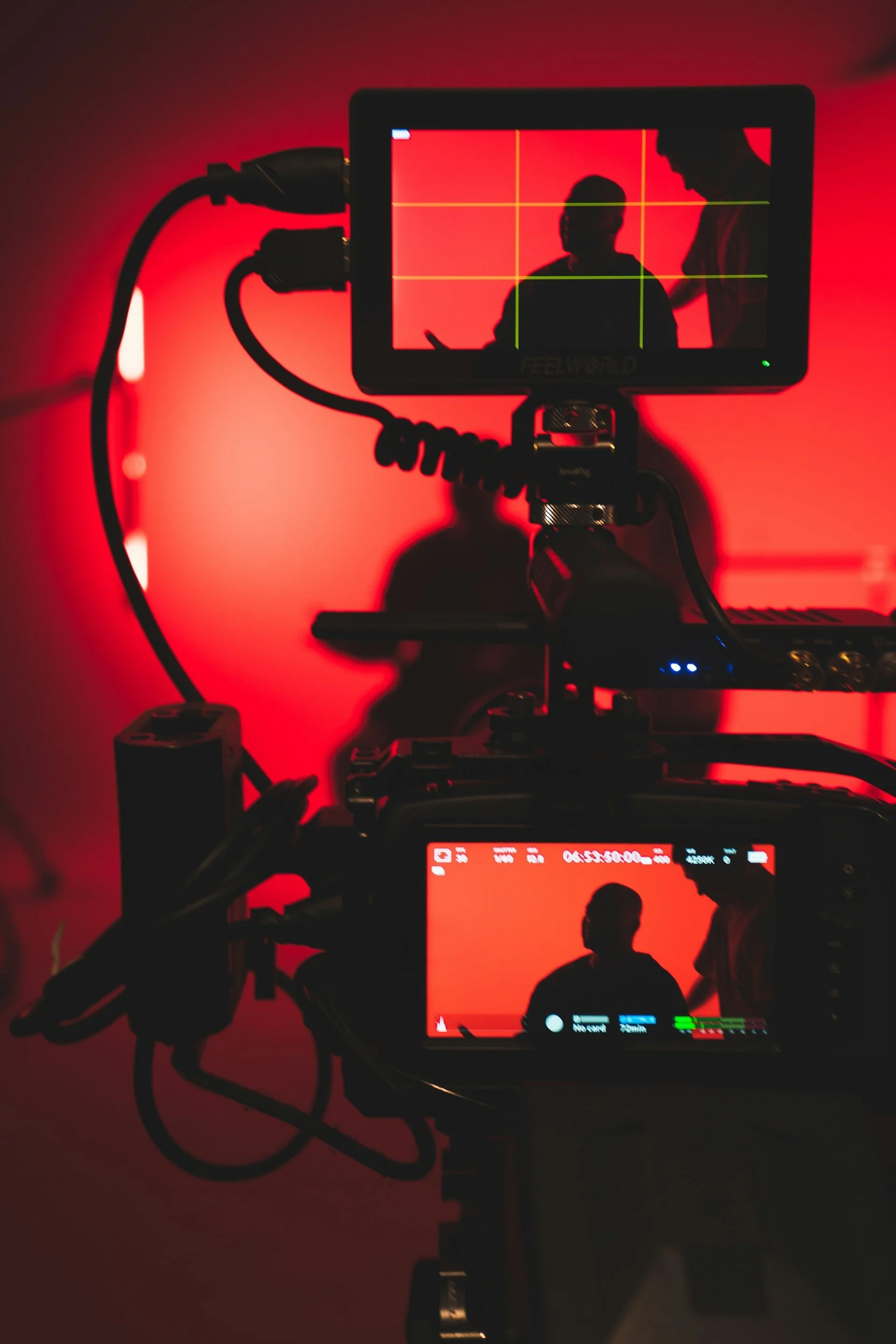
Visual storytelling is the sophisticated art of conveying your narrative – encompassing its intricate plot, underlying themes, character motivations, and raw emotional core – primarily through meticulously chosen and arranged visuals. It’s about crafting a non-verbal dialogue with your audience, allowing them to see and feel the story rather than merely being told about it. This powerful form of communication is built upon several critical components:
Shot Composition: This refers to the deliberate arrangement of every element within the frame. It's about how subjects, objects, and backgrounds are placed to guide the viewer's eye, establish relationships, and evoke specific feelings. Consider the power of a close-up to reveal intimate emotion, a wide shot to convey scale and isolation, or applying the rule-of-thirds to create visual balance and interest. Every choice in composition is a narrative decision.
Camera Movement: The camera is the audience's eye, and its movement dictates how they experience the scene. A static shot can create a sense of stillness, tension, or observation, while a tracking shot (following a character) immerses the viewer directly into the action. Panning (side-to-side) can reveal information or create a sense of discovery, and zooming can draw attention to detail or convey intensity. Each movement (or lack thereof) profoundly influences the mood, pacing, and emotional impact of a scene.
Lighting: More than just illumination, lighting is a potent emotional and thematic tool. High-key lighting, often bright and evenly lit, can suggest optimism, innocence, or comedy. Conversely, low-key lighting, characterized by strong contrasts and deep shadows, evokes mystery, drama, or danger. The direction of light (harsh top light, soft side light), its quality (hard vs. soft), and its source can create powerful emotional associations, sculpting faces and spaces to convey specific meanings.
Color: The strategic use of color and color palettes is a silent but incredibly impactful storyteller. Specific colors can set a dominant tone (e.g., cool blues for sadness, warm yellows for comfort), represent symbolism (e.g., red for passion or danger, green for nature or envy), or guide the audience's focus. A consistent color palette throughout a film can also define its overall aesthetic and reinforce its themes.
Mise-en-scène: This French term literally means "placing on stage," and in film, it refers to everything visually within the frame that tells the story. This includes the smallest props, the design of the set, the textures and styles of costumes, the hair and makeup, and even the actors' blocking (their movement and positioning). Every element chosen for the frame is a deliberate decision, contributing to the narrative, characterization, and thematic depth.
The Irrefutable Power: Why is Visual Storytelling Paramount?
Embracing visual storytelling isn't just a stylistic choice; it's foundational to compelling filmmaking for several key reasons:

An Immersive and Sensory Experience: Great visuals engage the audience on a primal, emotional level. By appealing directly to their senses, they draw viewers not just into the plot, but into the very world of the story, allowing them to feel, rather than just intellectualize, the narrative. This fosters a deeper connection and a more memorable experience.
The Golden Rule: Show, Don't Tell: This age-old adage is never truer than in cinema. While dialogue serves to advance plot and characterize, telling a story visually can be exponentially more impactful. Instead of a character explaining their sadness, showing them isolated in a vast, empty room, bathed in dim light, with their shoulders slumped, communicates that feeling with far greater immediacy and resonance. Visuals allow the audience to infer and experience, rather than simply being informed.
Unlocking Subtext and Symbolism: Visual cues possess a unique ability to add profound layers of meaning that dialogue alone can rarely capture. A subtle prop, a recurring color, a particular camera angle – these elements can serve as powerful symbols, foreshadow events, reveal hidden character traits, or comment on broader themes without a single word being spoken. They invite the audience to actively interpret, enriching their engagement with the narrative.
Crafting for the Camera: How to Write with Visuals in Mind

As a screenwriter, your job extends beyond dialogue; you are also an architect of images. To write with a cinematic eye:
Think Cinematically from the Outset: As you conceive each scene, don't just imagine conversations. Instead, visualize the scene as a potential shot or sequence of shots. How would you capture its essence visually? What single image best encapsulates the emotion or information you want to convey?
Prioritize Key Descriptive Details: Avoid over-describing every minute detail. Instead, judiciously select and emphasize only those visual elements that are most evocative, that directly convey a specific mood, theme, character trait, or plot point. Less is often more, allowing the audience to fill in the blanks with their imagination.
Let Setting Be a Character: A location is never just a backdrop. Infuse your scene descriptions with details about the setting that reveal character or contribute to the narrative. Is the setting decaying, reflecting a character's inner turmoil? Is it opulent, showcasing power or superficiality? Is it claustrophobic, mirroring emotional confinement? Let the environment tell part of the story.
Character Through Action and Detail: What a character does and what they are surrounded by can reveal who they are far more profoundly than what they say. A character meticulously organizing their desk after a stressful meeting, or one who compulsively checks their phone, immediately communicates aspects of their personality without needing expositional dialogue.
Embrace Collaborative Potential: Understand that your written visuals are a foundation. Trust your director and cinematographer to collaborate with you, interpreting and expanding upon your visual intentions to bring them to breathtaking life on screen. Your script provides the blueprint; their craft builds the structure.
Mastering the Visual Language: Continual Learning
Becoming a master of visual storytelling is an ongoing journey:

Actively Analyze Films: Don't just watch your favorite movies passively. Engage with them actively. Pause scenes, rewind, and ask yourself: "Why did the filmmaker choose this shot? How does the lighting make me feel? What does this prop symbolize? How does the camera movement affect the scene's tension?"
Cultivate Visual Inspiration: Create a personal "mood board" or collection of reference images. Gather photographs, paintings, and even single frames from films that evoke specific moods, color palettes, or demonstrate camera techniques you admire. Use this visual library to guide and inspire your writing.
A Powerful Illustration:
Consider the example: Instead of writing a character saying, "I feel trapped," imagine the screenwriter's description leading to low-angle shots of them framed by imposing, rusted window bars, with the light filtering in cold and unforgivingly. Their hunched posture, perhaps a desperate glance towards the distant, blurred outside world. This purely visual sequence instantly conveys a profound sense of confinement and hopelessness, allowing the audience to viscerally experience the character's emotion without a single line of dialogue about it.
Visual storytelling is perhaps the most powerful tool in your screenwriter's toolbox. By meticulously crafting your script with a discerning visual eye, you lay the indispensable groundwork for a film that is not merely watched, but profoundly felt, deeply understood, and truly experienced by its audience.