The AI-Powered Editing Bay: How Next-Gen Tools are Changing Indie Filmmaking
By ERMW Team
Thursday, July 24, 2026
For decades, the independent filmmaker’s greatest hurdle hasn't been a lack of vision—it’s been the sheer friction of post-production. You finally wrap a grueling, exhilarating shoot, only to stare down hundreds of hours of raw footage. Traditionally, this is where the momentum stalls. Fine-tuning edits, building complex timelines, and navigating the technical minutiae of post-production have always been the great bottleneck of visual storytelling.
But the toolkit is changing. The integration of generative and agentic AI platforms into the creative workflow isn’t just a trend; it is fundamentally rewriting how independent creators move from a raw concept to a final render.
Here is a look at how the modern editing bay is evolving, and why this shift is a massive win for indie filmmakers and regional storytellers.
Pre-Visualization and Scripting at Scale
Before a single frame is ever imported into an editing suite, the structural foundation of a project has to be solid. In the past, creating storyboards or stress-testing a script required either immense drawing talent or a hefty budget for a dedicated artist.
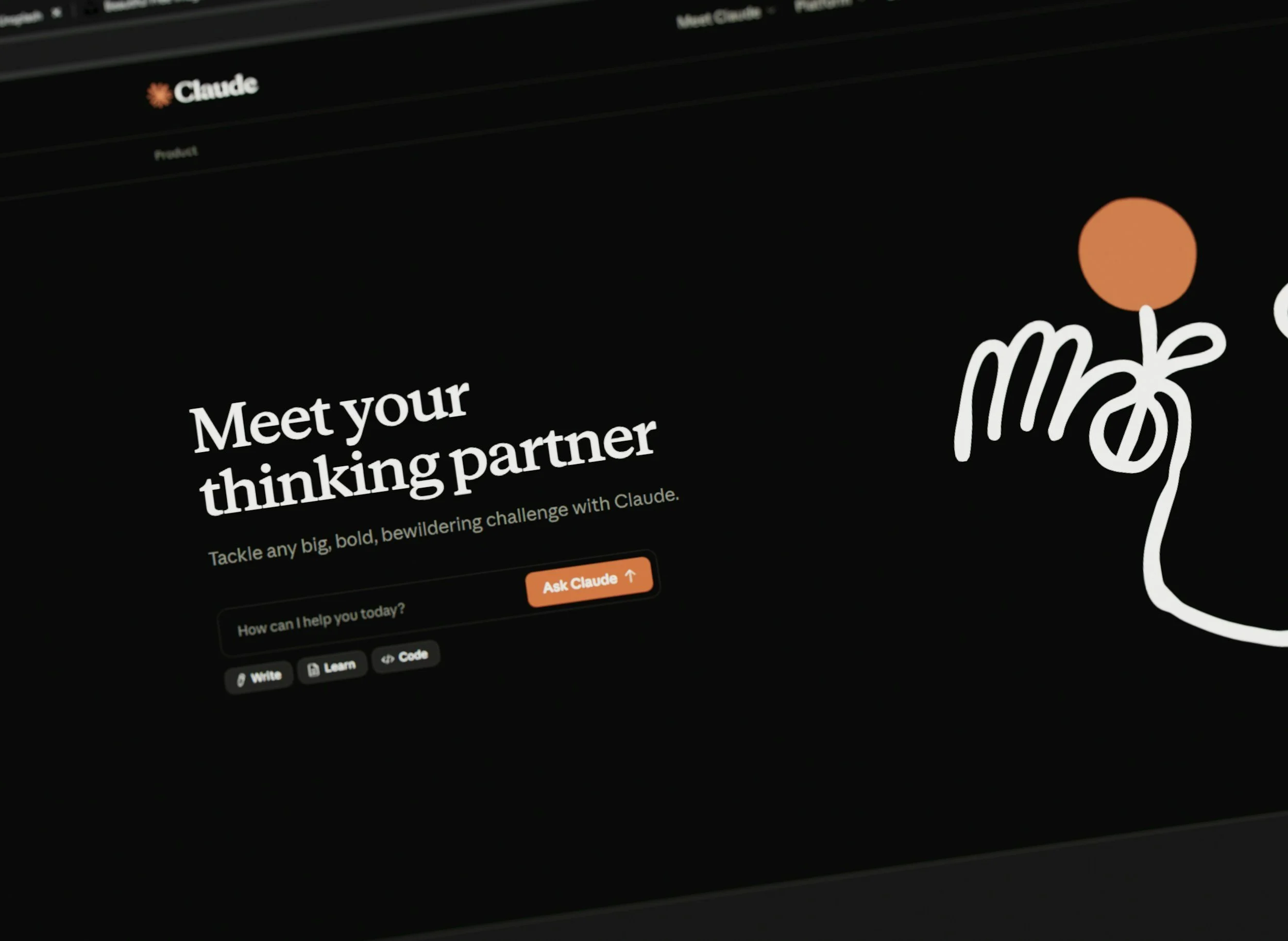
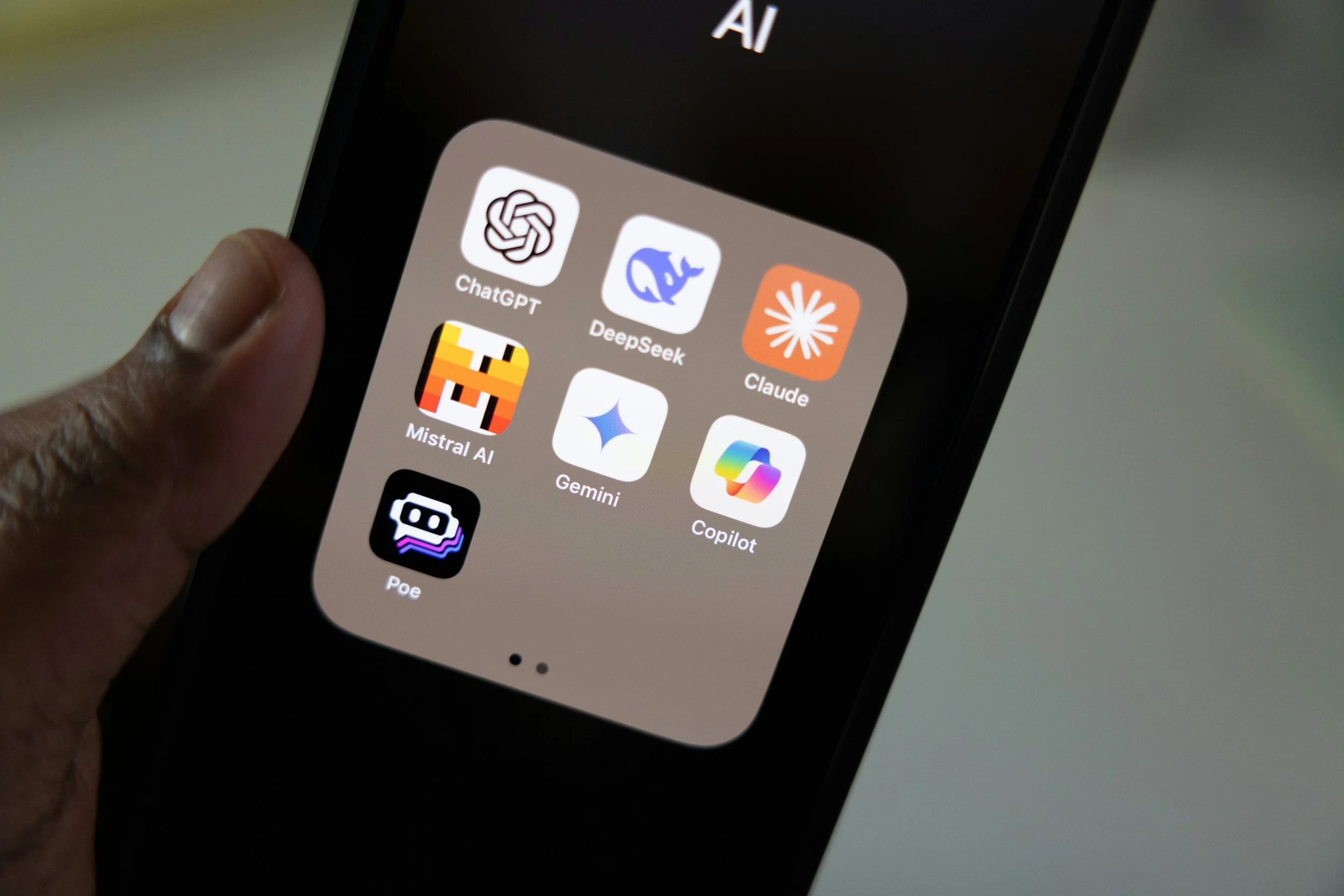
Today, agentic AI platforms like Gemini and Claude serve as interactive sounding boards, helping directors structure complex narratives, outline documentary interviews, and format treatments. When it comes to visualizing those concepts, tools like Leonardo allow creators to generate highly specific, mood-accurate storyboards and style frames in seconds. You no longer have to explain your vision with vague references; you can show your crew exactly what the film should look like before the camera even rolls.
Breaking the Timeline Bottleneck
The heavy lifting of filmmaking happens in the edit. Traditionally, this meant manually scrubbing through footage, logging clips, and dealing with the tedious process of syncing audio.
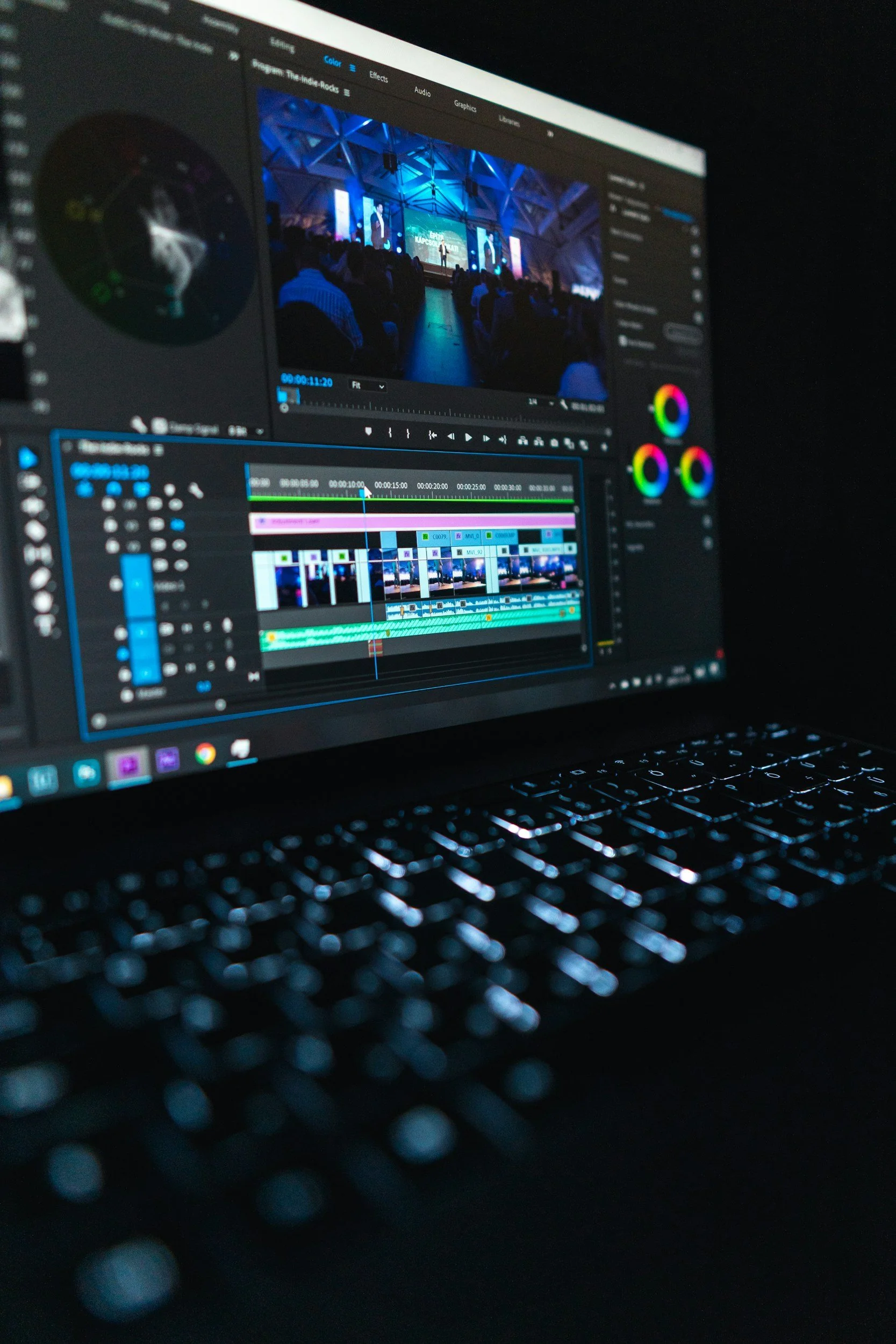
The current iterations of the Adobe Creative Cloud—specifically Premiere Pro—have aggressively integrated AI to remove this friction. Text-based editing now allows editors to cut video as easily as editing a Word document, instantly generating transcripts and letting you assemble a rough cut by simply deleting text.
Need a temporary voiceover to pace out your timeline before your actor arrives for ADR? Platforms like ElevenLabs can generate highly realistic, emotive scratch tracks that let you lock your timing and audio mix immediately. The editor's energy is no longer wasted on the mechanics of the software; it is entirely focused on pacing, emotion, and story.
The Final Polish and Distribution
Once the picture is locked, the workload shifts to visual effects, finishing, and getting the film in front of an audience.
Tasks in After Effects that used to require hours of manual rotoscoping (cutting a subject out of their background frame-by-frame) are now handled by AI-driven tools like Roto Brush 3.0 in a fraction of the time. When the film is finally ready for the world, generating pitch decks, promotional carousels, and localized marketing materials can be rapidly executed using design platforms like Canva.
Empowering the Storyteller
There is a persistent anxiety that AI will replace the filmmaker, but the reality inside the editing bay tells a different story. These platforms are not replacing the human element; they are removing the technical barriers that have historically kept great stories from being finished.
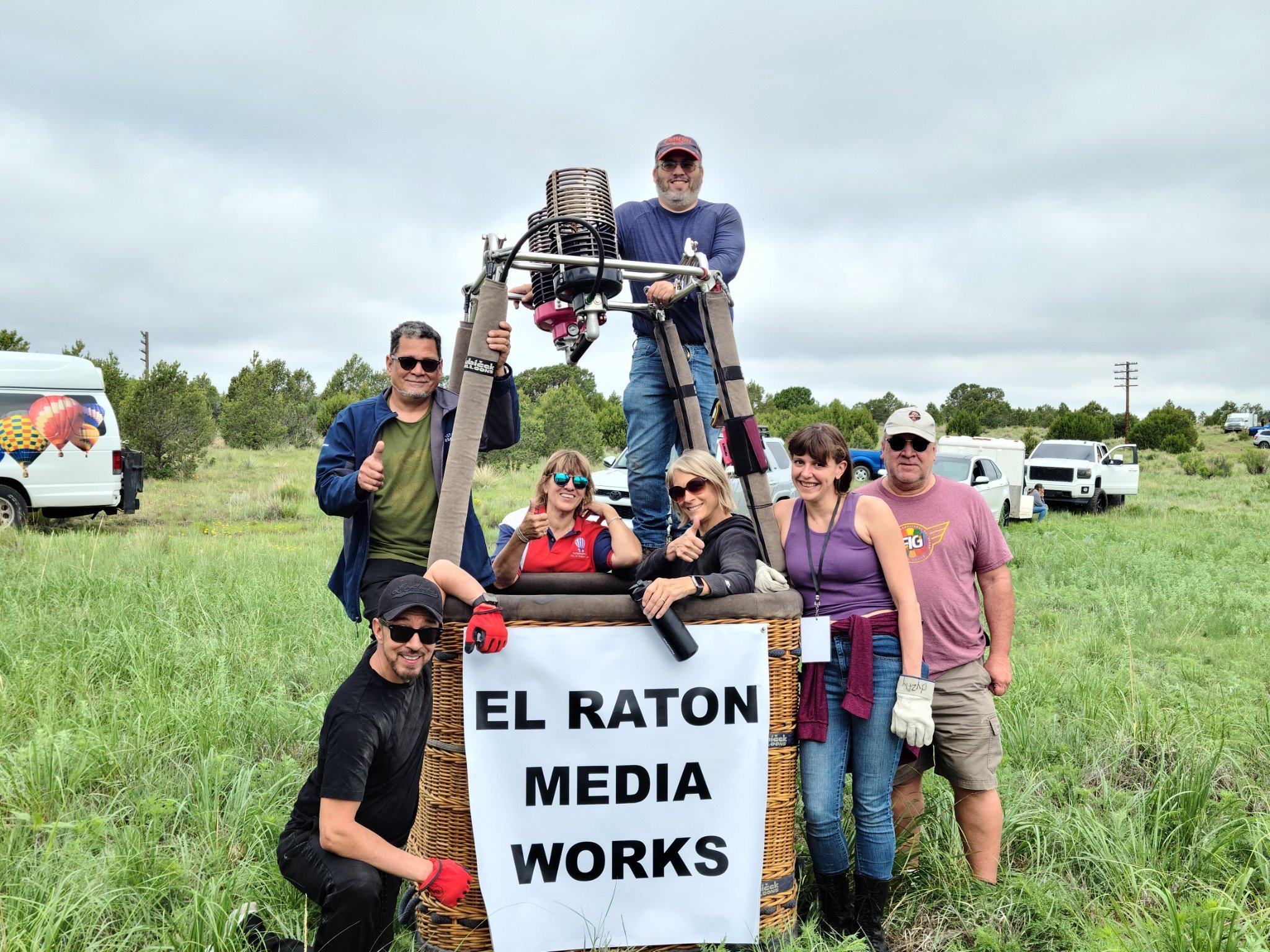
For communities focused on workforce development and empowering regional voices—like the initiatives championed here at El Raton Media Works—these tools represent unprecedented access. You no longer need a massive studio budget to achieve a cinematic finish. By embracing this new generation of post-production tools, independent filmmakers can finally focus on what actually matters: telling a story that needs to be heard.