The State of STEAM in 2026
By ERMW Team
Thursday, October 8, 2026
For years, STEAM (Science, Technology, Engineering, Arts, and Mathematics) education was treated as a specialized track—a siloed "tech class" where students built rudimentary circuits or wrote basic code. In 2026, that model is officially obsolete. Today, STEAM is no longer an extracurricular activity or a standalone subject; it is the foundational operating system of the modern classroom.
As we navigate the 2026–2027 school year, educators are redefining what it means to be future-ready. The focus has shifted from teaching kids how to use technology to teaching them how to think with it, critique it, and reshape it. Here are the core trends defining STEAM education today.
1. Computational Thinking as a Core Literacy
We are no longer teaching computational thinking (CT) just to mint future software engineers. In 2026, CT is recognized as a fundamental cognitive skill alongside reading and writing.
Educators are weaving algorithmic logic, decomposition, and pattern recognition into entirely non-technical subjects. Students are using algorithmic thinking to structure mathematical proofs, decomposing complex historical events in literacy classes, and even applying "debugging" concepts to Social-Emotional Learning (SEL) to process their feelings. The goal is to build better, more resilient thinkers who can break down massive problems into manageable, actionable steps.
2. AI as a Co-Pilot and a Subject of Critique
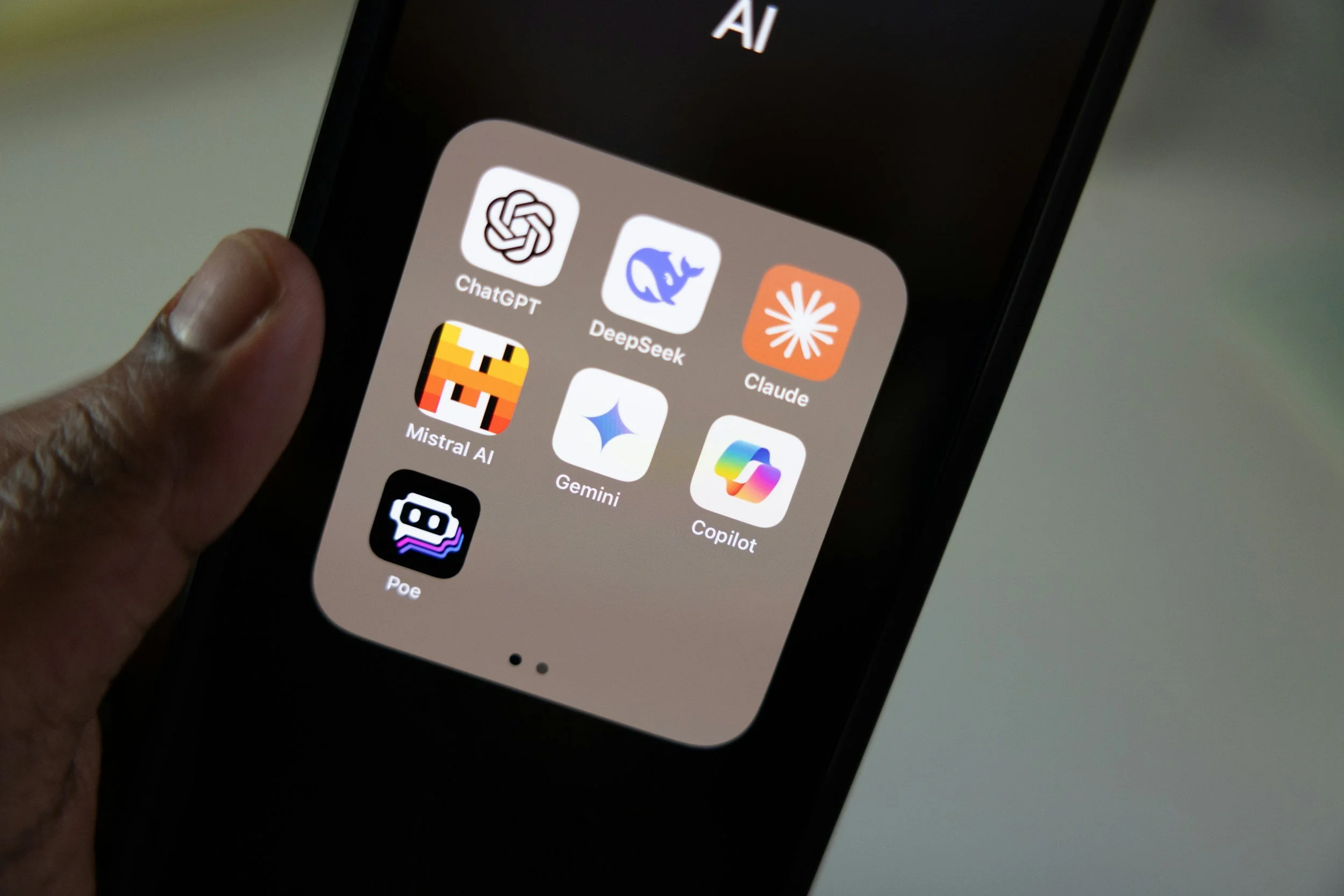
The panic over generative AI replacing human thought has settled into a productive pragmatism. In the 2026 curriculum, AI is deeply integrated into learning ecosystems as a co-pilot that provides adaptive scaffolding, real-time feedback, and personalized learning pathways.
However, the real curriculum development has been in AI literacy. Knowing how to prompt a chatbot is now considered baseline. The emphasis has shifted to teaching students how to critically evaluate algorithmic bias, interpret data sources, and understand the ethical implications of the tech they use. State standards increasingly require students to understand the underlying logic of algorithms—because you cannot meaningfully improve or critique an algorithm if you do not understand its foundational architecture.
3. Industry 4.0 Sneaks Into Middle School
Concepts that were once reserved for advanced high school or college engineering courses—such as digital twins, sensor data integration, and autonomous navigation—have firmly established themselves in Grades 4 through 8.
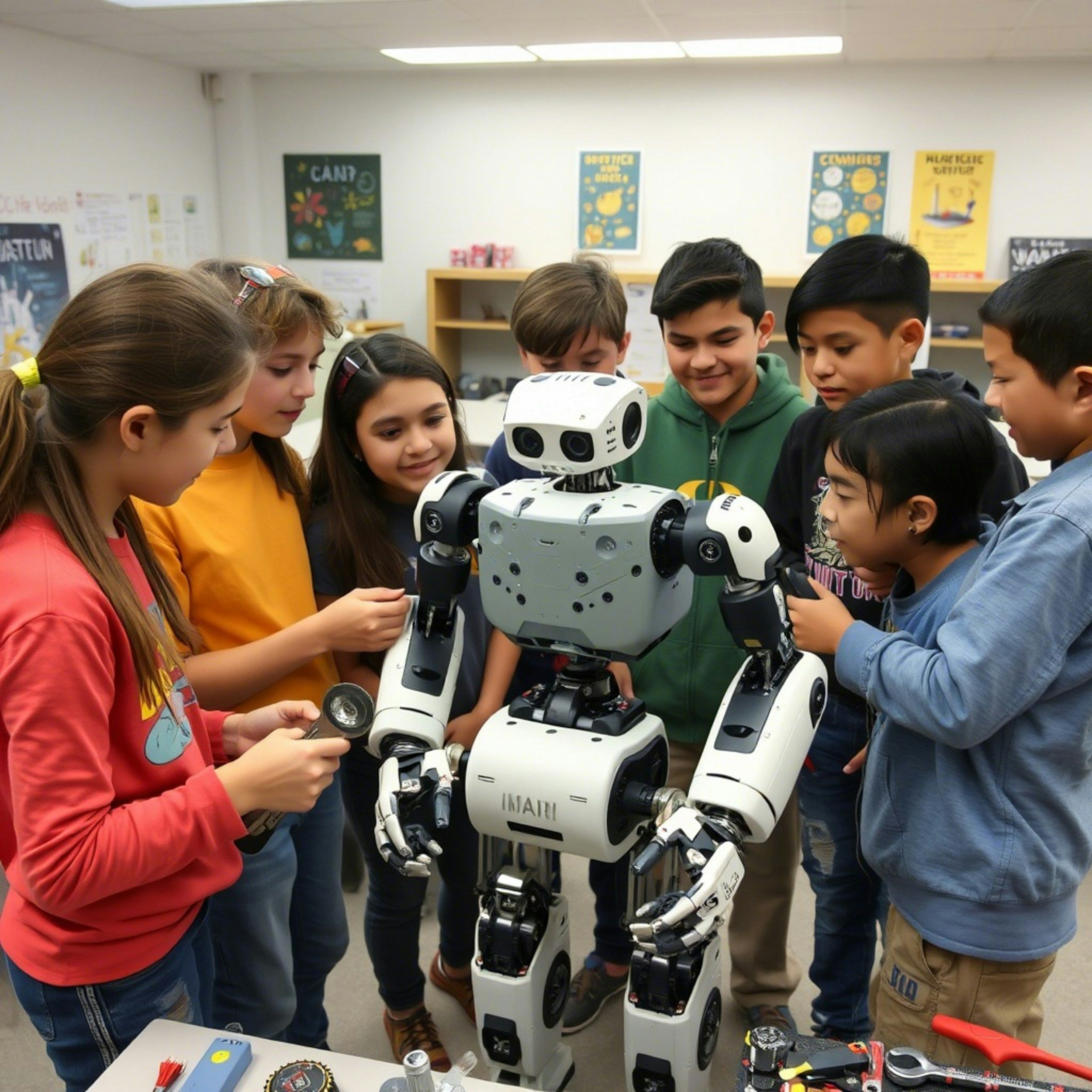
Students are moving beyond theoretical physics and engaging in real-world modeling. Using accessible robotics and hybrid coding platforms, middle schoolers are simulating transport grids, building simplified warehouse logic systems, and modeling local ecosystems. Career exploration is also starting much earlier; educators are introducing these workforce connections in elementary and middle school so students see how classroom experimentation ties directly to future opportunities.
4. Tactile-to-Hybrid Coding Becomes the Standard
There is a growing recognition that early cognitive development requires physical interaction. The "screen-free to hybrid" pipeline has become the new normal.
Kids want to touch their thinking before they see it abstracted on a monitor. The standard progression in elementary classrooms now moves from tactile, physical coding blocks to digital block coding, and eventually to text-based languages like Python. Robotics have evolved from flashy, fragile classroom toys into durable "skill engines" that teach collaboration, resilience, and complex logic through physical play.
5. Tackling "Grand Challenges" Through True Interdisciplinary Integration
The "A" in STEAM—the Arts and Humanities—is doing heavy lifting this year. Schools are increasingly adopting project-based learning models that focus on solving "Grand Challenges".
Instead of building a robot just to see it move, students are tasked with interdisciplinary projects aimed at solving real global and local issues, such as water conservation, accessible urban design, or sustainable agriculture. This approach requires students to blend engineering design, scientific inquiry, ethical reasoning, and creative communication.
6. Accessibility and Universal Design are Non-Negotiable
Administrators are no longer asking if a tech tool is cool; they are asking how deeply it supports every single learner. Universal Design for Learning (UDL) is the standard, making inclusive, flexible learning spaces a baseline expectation.
Whether it is built-in multilingual support, low-vision accessibility, or tactile alternatives to digital tasks, equity is driving procurement. When STEAM tools offer flexible entry points, students who historically hung back are stepping into complex problem-solving with renewed confidence.
Ultimately, the defining characteristic of STEAM in 2026 is its humanity. We have realized that the most sophisticated technology in the classroom is useless without resilient, creative, and critical minds directing it. By embedding STEAM into the fabric of everyday learning, we are finally moving past the novelty of the digital age and doing the real work of preparing students for whatever comes next.