

10 ways XR is Reshaping the Film and Media Industries
By ERMW Team
Thursday, July 24, 2025

The worlds of film and media are undergoing a radical transformation, all thanks to Extended Reality (XR). This umbrella term encompasses Virtual Reality (VR), Augmented Reality (AR), and Mixed Reality (MR), blurring the lines between the physical and digital like never before. XR isn't just a fancy buzzword; it's unlocking unprecedented opportunities in content creation, streamlining production, and revolutionizing how audiences engage with stories.
Let's dive into 10 ways XR is reshaping the film and media industries:
1. Virtual Production (VP) with LED Volumes
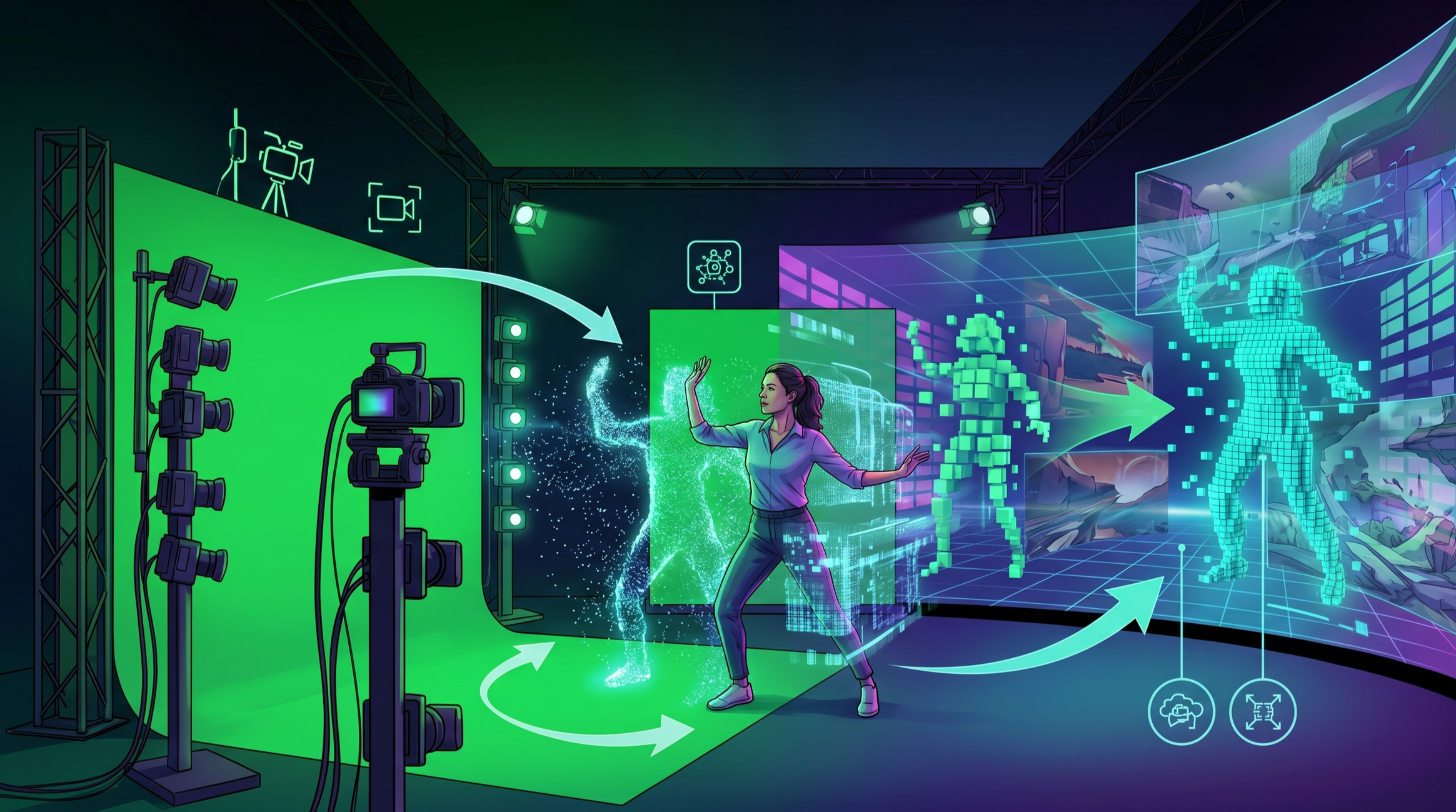
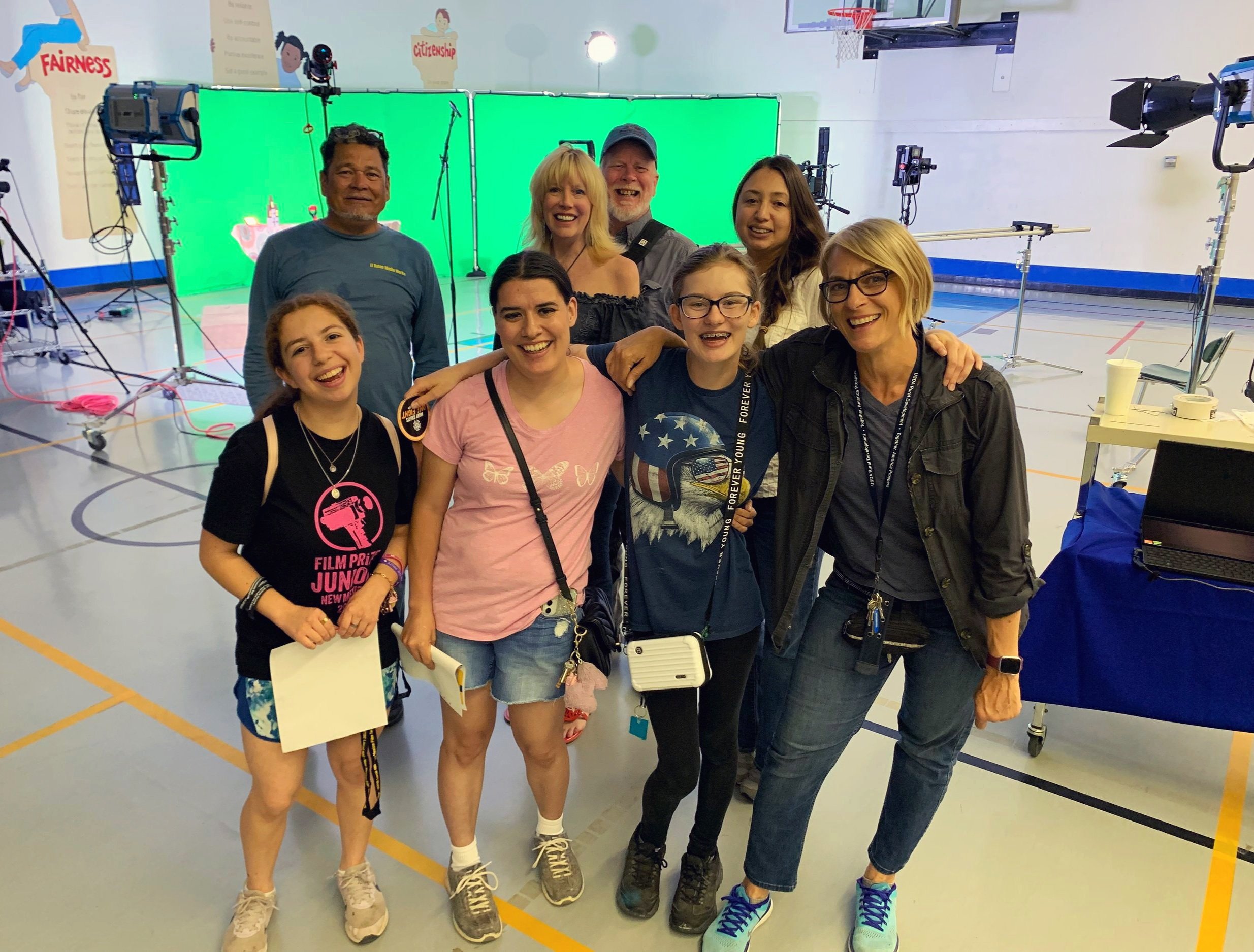
Perhaps the most revolutionary XR application in filmmaking is Virtual Production (VP). Instead of relying on traditional green screens, large LED walls display photorealistic virtual backgrounds. This means actors can see and react to their digital surroundings in real time, leading to more natural performances and drastically reducing the need for extensive post-production visual effects (VFX). Plus, the LED wall's lighting naturally illuminates actors and physical set pieces, creating accurate reflections and shadows. Disney's The Mandalorian famously pioneered this game-changing technique.
2. Real-Time Previsualization (Previs)
XR empowers directors, cinematographers, and production designers to visualize scenes, camera angles, lighting, and set design with digital elements overlaid onto the physical environment before filming even begins. This foresight streamlines the entire production process, minimizes costly reshoots, and allows for immediate creative decisions right there on set.
3. In-Camera VFX 📸
A significant benefit of XR in production is the ability to capture many visual effects directly "in-camera" during principal photography. This contrasts sharply with the traditional method of adding everything in post-production. The result? A substantial reduction in both time and budget typically allocated to VFX, making the entire production more efficient and cost-effective.
4. Augmented Reality (AR) for On-Set Visualization
Augmented Reality (AR) overlays digital information onto the real world, enhancing what filmmakers see on set. It allows for the real-time integration of CGI (computer-generated imagery) into live-action shots. Directors can immediately see how virtual creatures or objects interact with actors and the physical set, enabling on-the-spot adjustments to performances, lighting, and composition. This also helps actors deliver more convincing interactions with elements that aren't physically present.
5. Interactive Marketing and Fan Engagement
AR has become a powerful tool in movie marketing. It's widely used to create interactive trailers, posters, and social media filters. This allows audiences to engage with film content in innovative ways, whether it's unlocking additional storylines, gaining character insights, or even playing mini-games related to the film's universe.
6. Mixed Reality (MR) for Live Broadcasts and Events
Mixed Reality (MR) blends real and virtual worlds, allowing for real-time interaction between physical and digital objects. Broadcasters are leveraging MR to integrate 3D graphics and virtual sets into live news, sports, and entertainment programs. This means anchors can interact with dynamic data visualizations, and viewers can be virtually transported to different locations, all while the talent remains in a physical studio.
7. Virtual Reality (VR) for Immersive Storytelling
Virtual Reality (VR) completely immerses the user in a computer-generated environment, blocking out the real world. This technology is used to create standalone immersive films, documentaries, and interactive narratives. The audience is placed directly within the story, experiencing it from a first-person perspective through 360-degree videos or fully interactive VR worlds.
8. VR for Location Scouting and Set Design
Before a single physical set piece is built, filmmakers can "walk through" virtual versions of potential locations and planned sets in VR. This allows them to effectively assess camera angles, practice blocking, and refine design elements. It's an invaluable tool for identifying and solving potential issues early in the pre-production phase.
9. Training and Education Simulations
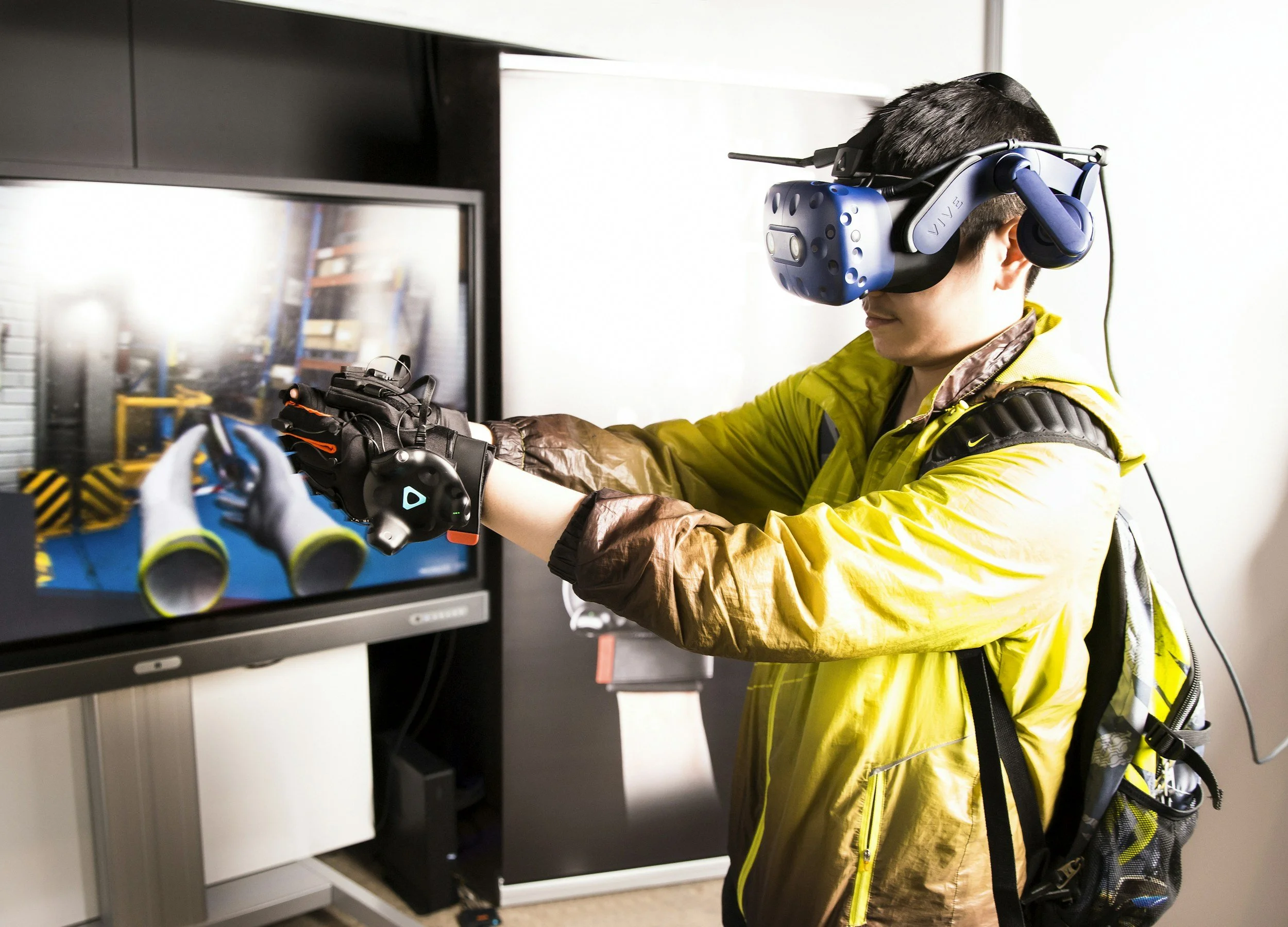
VR is proving incredibly useful for creating realistic training simulations for crew members. It helps them understand complex technical setups, learn to operate specialized equipment, or practice safety procedures in a completely risk-free virtual environment before stepping onto a high-stakes real set.
10. Enhanced Post-Production Review and Collaboration
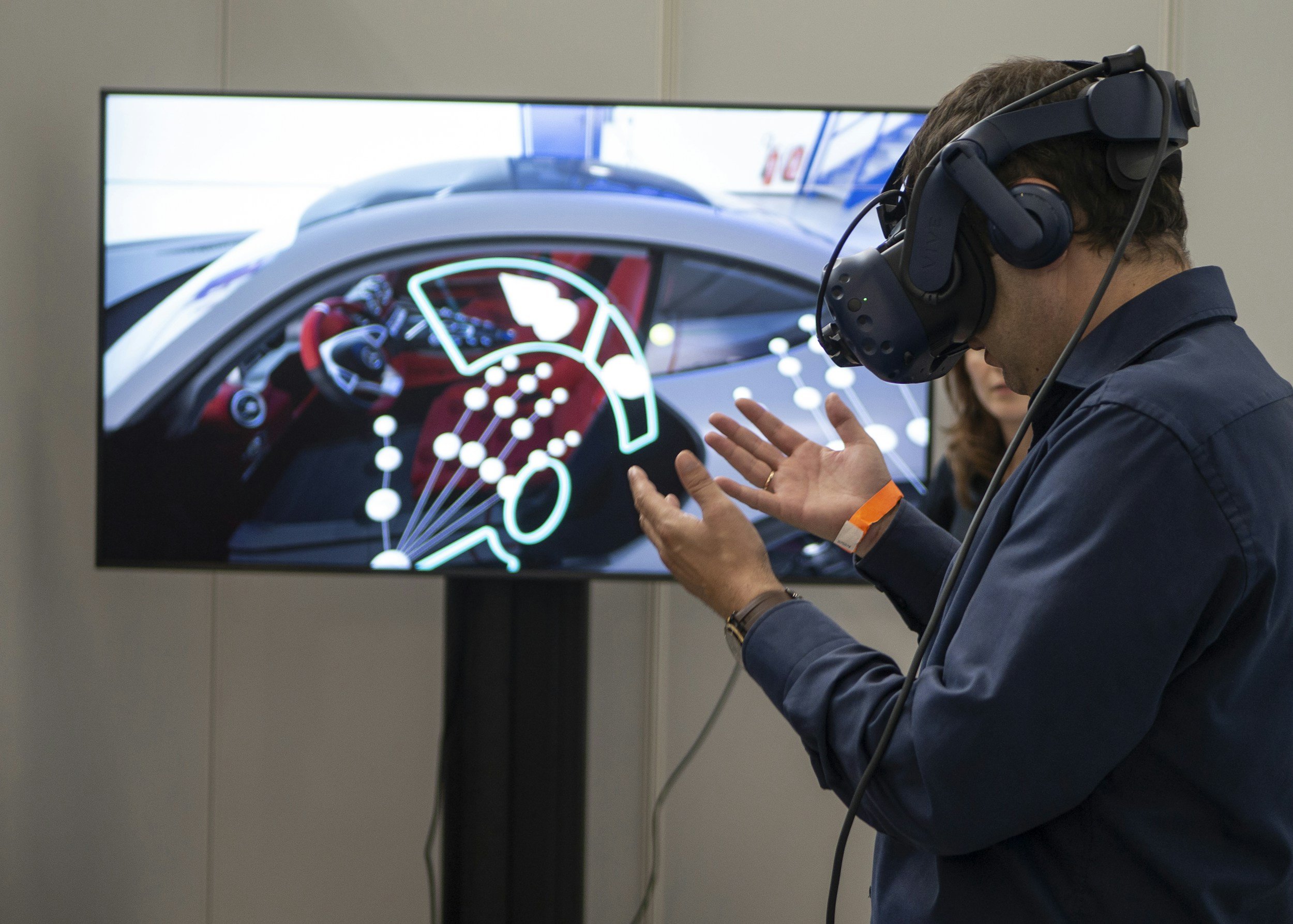
XR tools significantly enhance review and collaboration in post-production. Editors and VFX artists can review footage and manipulate digital assets within a VR or AR environment. This offers a much better sense of scale, depth, and spatial relationships than a flat screen ever could, leading to more precise adjustments and informed creative decisions.
XR isn't just a fleeting trend; it's fundamentally reshaping how stories are told and consumed. As these technologies continue to evolve, we can expect even more innovative applications that will push the boundaries of cinematic and media experiences.






May 1, 2025
Code, the language of computers, has become an invisible yet indispensable force shaping nearly every facet of our lives. From the moment we wake up to the ping of our alarm clock to the complex algorithms driving self-driving cars, code is the silent engine propelling our modern world forward. While often hidden from view, its impact is profound and constantly expanding.