Beyond the Horizon: Why Deserts Are the Ultimate Horror Locations
By ERMW Team
Thursday, August 21, 2025
The horror genre thrives on fear, and while forests, haunted houses, and urban alleys have long been the genre's familiar playgrounds, there's a unique and terrifying power in the vast, empty expanse of the desert. From the scorching sun beating down on a broken-down car to the unsettling silence that swallows every sound, deserts offer a potent, primal cocktail of terror that chills audiences to the bone.
Unlike the claustrophobia of a cramped space or the creeping dread of a shadowy forest, the horror of the desert lies in its stark, unforgiving nature. It's a landscape of negation, stripping away the comforts of civilization and exposing humanity's deepest vulnerabilities. The fear here isn't just about what's lurking in the dark; it's about the relentless, inescapable terror of the sun-baked light.
So, what is it about these barren landscapes that makes them the ultimate horror location?
The Relentless Elements: Nature as the Primary Antagonist
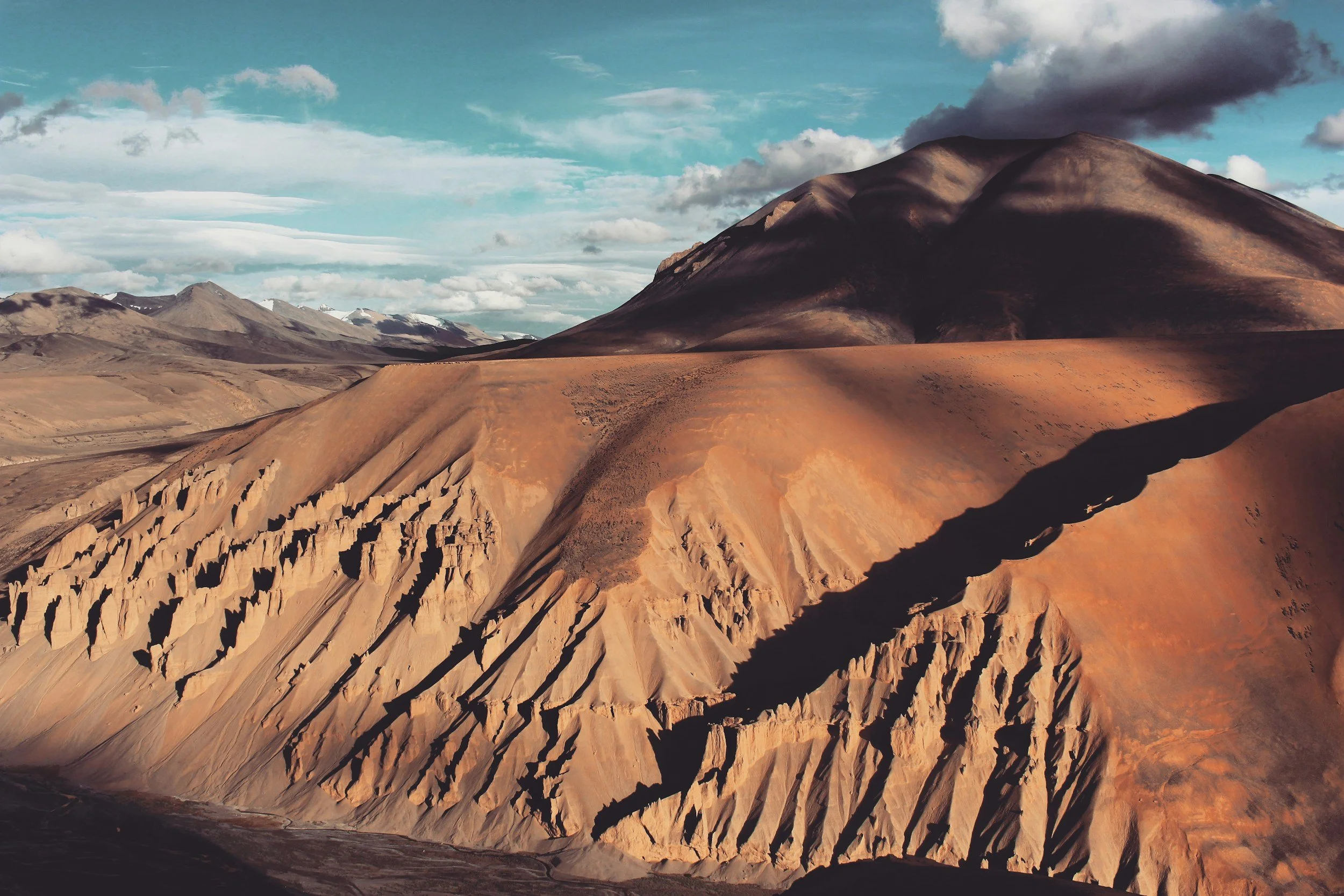
In a desert horror film, the environment itself becomes the first and most formidable enemy. The landscape isn't just a backdrop; it's an active, malevolent force.
Dehydration and Delirium: The struggle for survival in a desert is fundamentally a struggle against thirst. As characters' bodies fail, their minds begin to break down. Hallucinations blur the line between reality and nightmare, a psychological breakdown that can be far more terrifying than any external monster. This turns a simple survival story into a descent into madness, where the protagonist's own mind becomes their worst enemy.
Exposure and Helplessness: There is nowhere to hide. Shelter is scarce, and the elements—the extreme heat of the day, the freezing cold of the night, and the blinding sandstorms—are deadly. This overwhelming exposure amplifies every threat, making characters feel utterly vulnerable and at the mercy of their environment, or whatever malevolent force lurks within it.
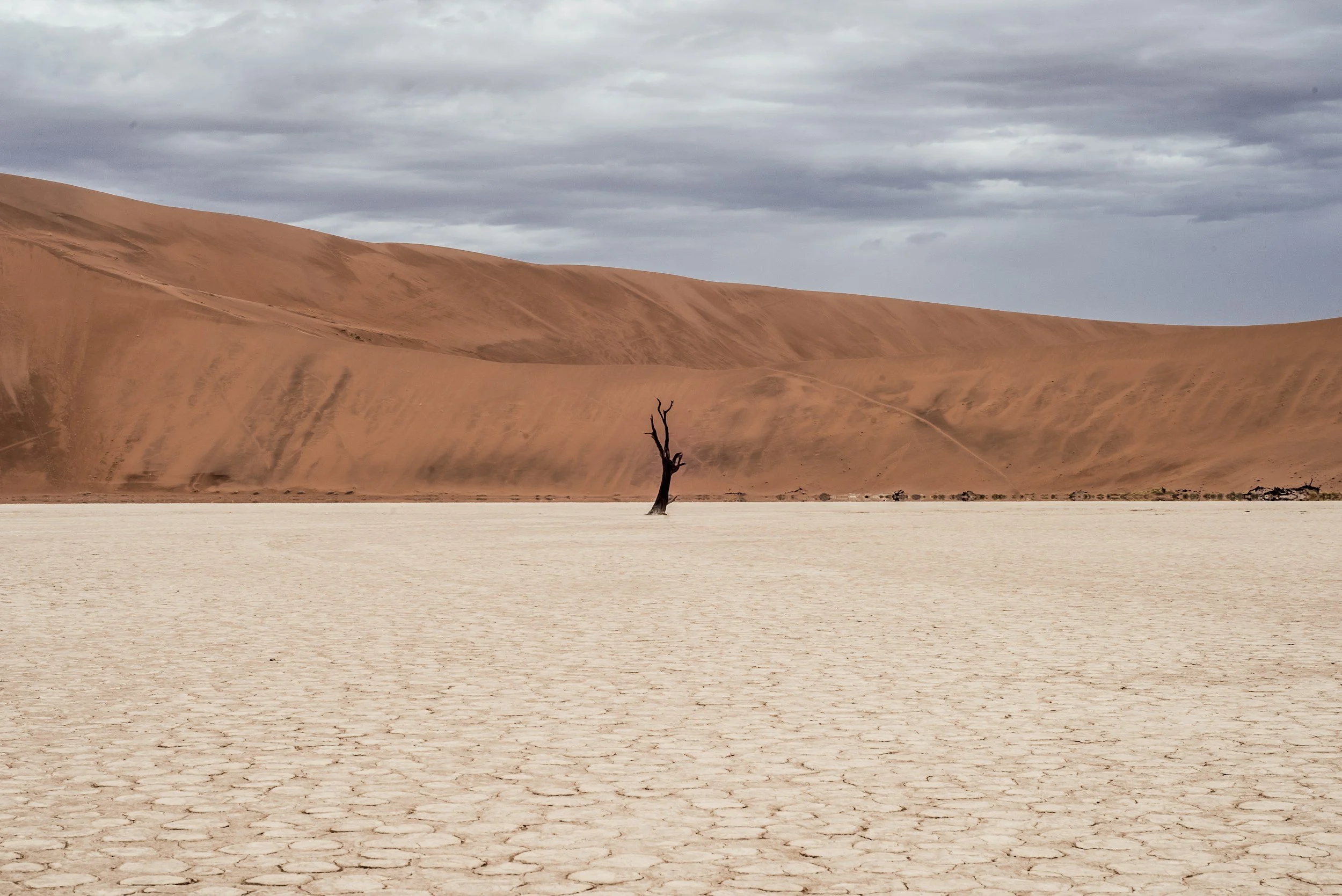
The Scale of Emptiness: The sheer, overwhelming vastness of a desert is a powerful psychological weapon. Miles from civilization, without cell service or a sign of life, a profound sense of isolation sets in. This feeling of being a minuscule speck in an indifferent, endless landscape is a deeply unsettling primal fear, tapping into our deepest anxieties about being alone and insignificant.
Hidden Horrors: What Lies Beneath the Surface
While the elements are a constant threat, deserts also provide fertile ground for more tangible horrors, tapping into our fears of the unknown and the uncanny.
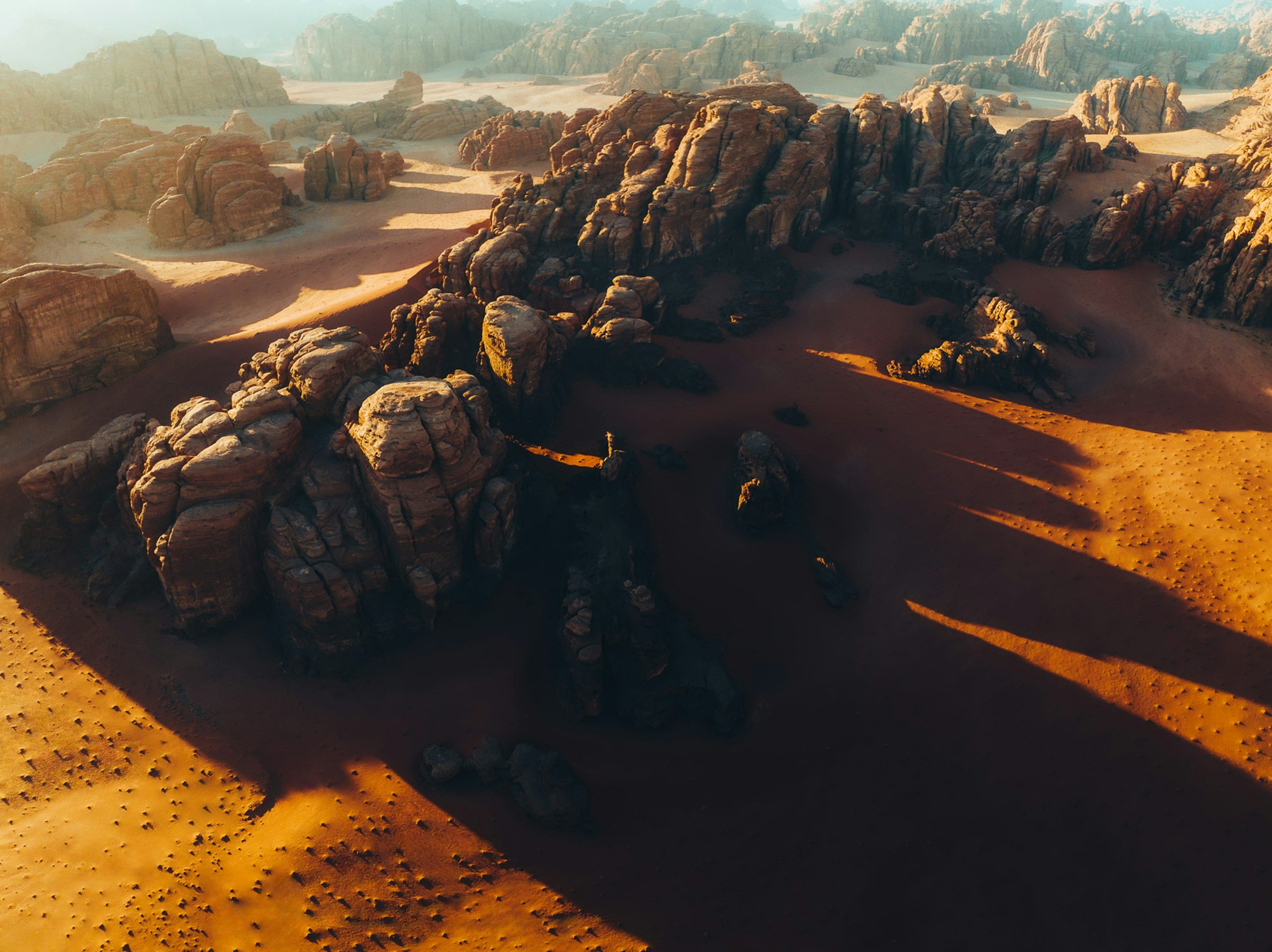
Mutated Creatures: The extreme, isolated conditions of a desert can logically breed strange and terrifying life forms. From the giant, burrowing worms of Tremors to the mutated, cannibalistic families of The Hills Have Eyes, the desert's harsh environment can justify the existence of truly monstrous beings. These creatures often feel like a natural extension of the landscape, a horrifying product of isolation or environmental degradation.
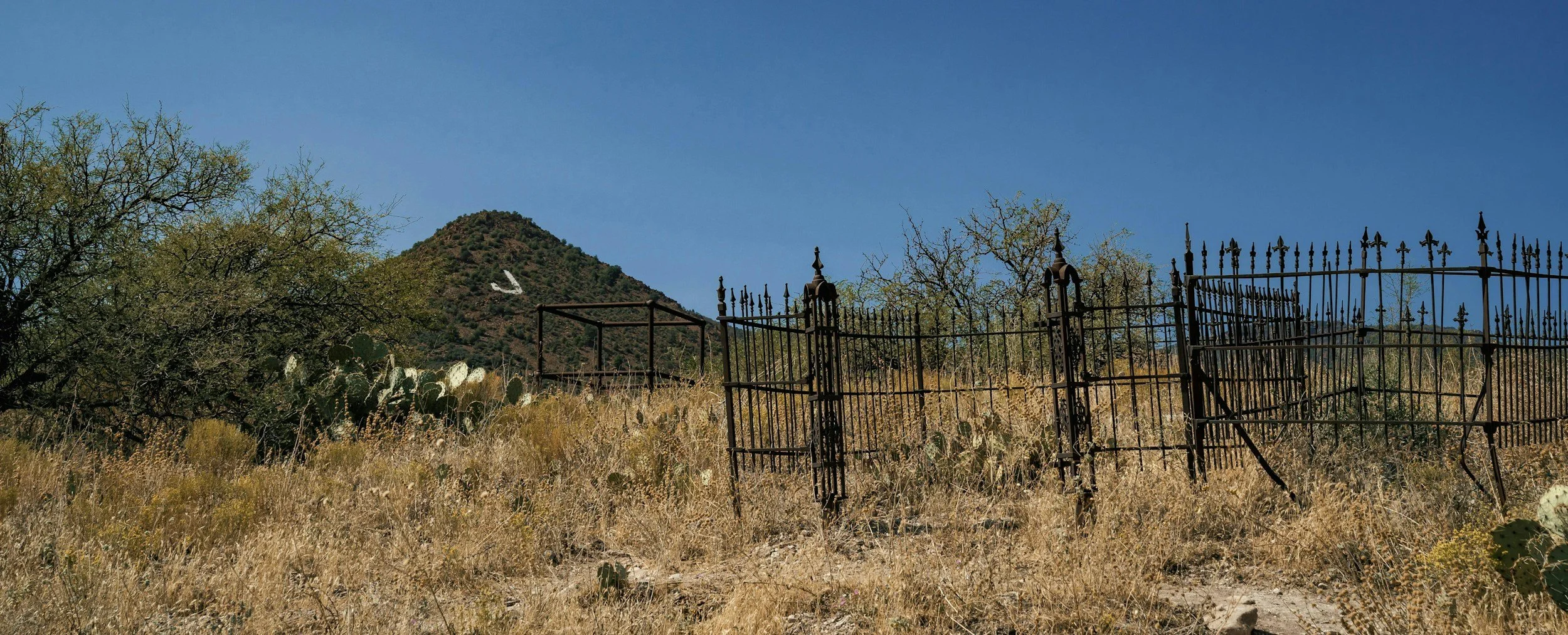
Lost Souls and Ghost Towns: Deserts are littered with the ghosts of failed dreams—abandoned mines, desolate homesteads, and dust-choked ghost towns. These decaying structures whisper tales of past tragedies and forgotten lives. This atmosphere is ripe for paranormal activity, as the spirits of those who succumbed to the desert's harshness or met violent ends linger, haunting the living who dare to trespass.
Human Depravity: Isolation can bring out the absolute worst in people. Cut off from society's rules and safeguards, individuals can descend into savagery. Desert horror often explores the dark side of human nature, where the primal need for survival trumps all morality, leading to unspeakable violence. Films like The Devil's Rejects and Wolf Creek masterfully exploit this grim reality, proving that the scariest monsters often wear a human face.
Psychological Warfare: The Isolation Factor
Beyond physical threats, the desert is a master of psychological horror, playing on our minds in subtle yet devastating ways.
Paranoia and Trust Issues: When resources are scarce and help is nonexistent, trust erodes quickly. A distant car could be a rescuer or a new threat. This leads to intense internal conflict as characters become suspicious of each other, creating a terrifying dynamic where the group's own disintegration becomes a source of dread.
Sensory Deprivation and Overload: The silence can be deafening, broken only by the wind or the distant cries of unseen creatures, leaving the mind to fill in the blanks. Conversely, the blinding sun, the grit of sand, and the heat-induced mirages can distort reality, pushing characters to their breaking point. This constant sensory assault and confusion make it impossible for protagonists to trust their own senses, a terrifying state of being.
The Unseen Threat: The wide-open spaces, paradoxically, make it easier for something to hide in plain sight. Is that distant dust cloud a trick of the light, or is it something rapidly approaching? The uncertainty of what's out there—or what's even real—is a powerful source of dread. The horror exists not in what we see, but in the terrifying possibilities that our minds conjure in the vast emptiness.
Iconic Desert Horrors
The desert's compelling horror potential has been tapped repeatedly in cinema, giving us unforgettable nightmares:
The Hills Have Eyes (1977/2006): The quintessential desert horror, depicting a suburban family stranded and hunted by a clan of inbred cannibals in the Nevada desert. It's a brutal exploration of primal fear and human depravity.
Tremors (1990): A more humorous, yet still genuinely thrilling, take on desert creatures with giant subterranean worms terrorizing a small isolated town.
Duel (1971): Steven Spielberg's minimalist masterpiece that transforms a faceless truck driver in the Mojave Desert into an unstoppable force of terror, preying on a lone motorist.
Wolf Creek (2005): Set in the vast and unforgiving Australian Outback, this film showcases the terrifying reality of being lost and at the mercy of a sadistic killer in an incredibly remote landscape.
Horror in the High Desert (2021): A found-footage film that expertly uses the bleak isolation of the Great Basin Desert to create an unsettling mystery surrounding a missing hiker.
From the sun-baked bones of ancient secrets to the parched throats of desperate survivors, the desert continues to be a chilling canvas for tales of terror. Its raw, indifferent beauty serves as a stark reminder of humanity's fragility when stripped of the comforts of civilization, proving that sometimes, the most terrifying monsters are not born of darkness, but of the relentless, barren light.